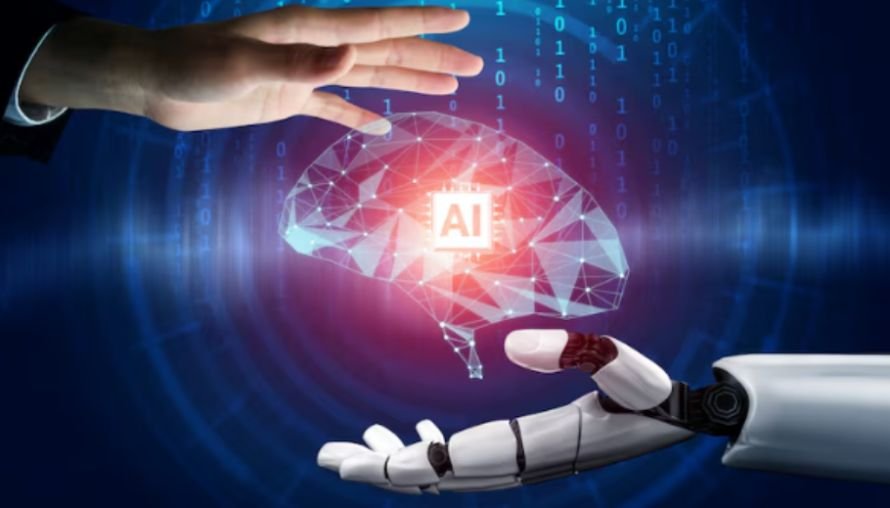
I used to think artificial intelligence was something only big tech companies cared about. Now, it feels like AI is sitting inside almost every part of the workday, from writing emails to sorting data, planning projects, answering customers, and helping teams move faster.
How Artificial Intelligence Is Changing the Way We Work is not just a future-focused idea anymore. It is already changing daily tasks, job expectations, business decisions, and the skills people need to stay valuable.
What AI Means for the Modern Workplace
Artificial intelligence in the workplace means using smart tools that can understand data, recognize patterns, generate content, automate tasks, and support decision-making. It is not limited to robots or complex machines. Most workers now see AI through chatbots, writing assistants, analytics tools, meeting summaries, customer service platforms, search tools, and workflow automation.
Artificial intelligence is also part of the wider shift in latest technology trends that is changing daily life, as people now use smart tools not only at work but also for communication, learning, shopping, planning, and managing everyday tasks.
The biggest shift is simple: AI is reducing repetitive effort and giving people more time to focus on strategy, creativity, problem-solving, and communication. Instead of replacing every job, AI is changing the way many jobs are performed.
AI Is Automating Repetitive Daily Tasks
One of the clearest ways AI is changing work is through automation. Many tasks that once took hours can now be handled in minutes. Employees can use AI to sort emails, summarize documents, schedule meetings, create reports, organize files, and process customer requests.
This is especially useful in offices where workers spend too much time on routine admin work. For example, a marketing team can use AI to draft content ideas, a finance team can detect unusual spending patterns, and a support team can answer common customer questions instantly.
Automation does not remove the need for human judgment. It removes the slow, repetitive parts of work so people can focus on decisions that need experience and context.
AI Is Improving Productivity and Decision-Making
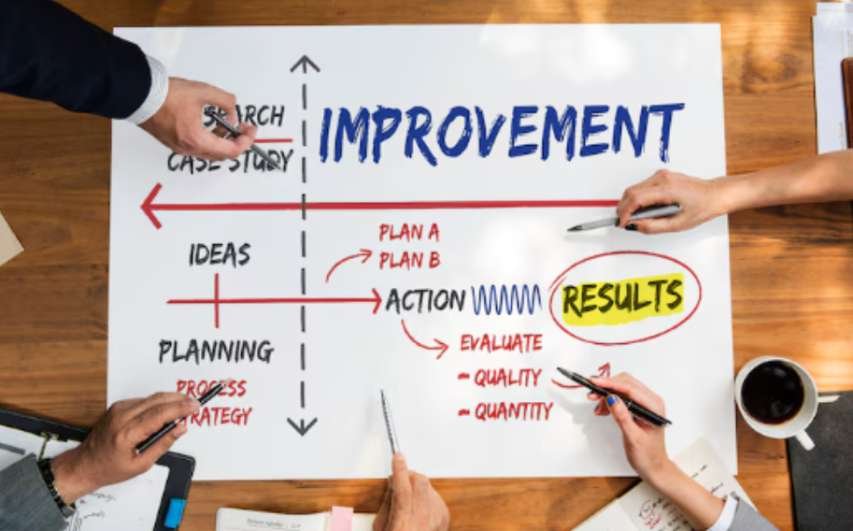
AI tools can scan large amounts of information much faster than humans. This helps teams find trends, compare options, and make better decisions. A manager can use AI to review performance data. A sales team can predict which leads are more likely to convert. A retailer can understand customer buying behavior and plan inventory more accurately.
Productivity improves because workers no longer need to start from zero. AI can create first drafts, summarize research, suggest next steps, and highlight risks. The final decision still belongs to people, but AI makes the process faster and more informed.
AI Is Changing Communication and Collaboration
Workplace communication is also being reshaped by AI. Meeting tools can now create summaries, action items, and follow-up notes. Writing tools can help employees make messages clearer and more professional. Translation tools can help global teams communicate across languages.
This matters because modern work often involves remote teams, fast deadlines, and constant communication. AI can reduce confusion by keeping conversations organized and making information easier to find.
However, teams still need emotional intelligence. AI can improve clarity, but it cannot fully replace trust, empathy, listening, and strong leadership.
AI Is Creating New Job Roles and Skills
Many people worry that AI will take jobs. That concern is real in some industries, especially where work depends heavily on repeated tasks. But AI is also creating new roles and skill needs.
Companies now need AI trainers, prompt writers, automation specialists, data analysts, AI ethics reviewers, and workers who understand how to use AI safely. Even traditional jobs are changing. Teachers, writers, designers, HR teams, customer service agents, and business owners are learning how to use AI as part of their daily workflow.
The most valuable workers will be those who know how to combine human skills with AI tools.
Human Skills Are Becoming More Important
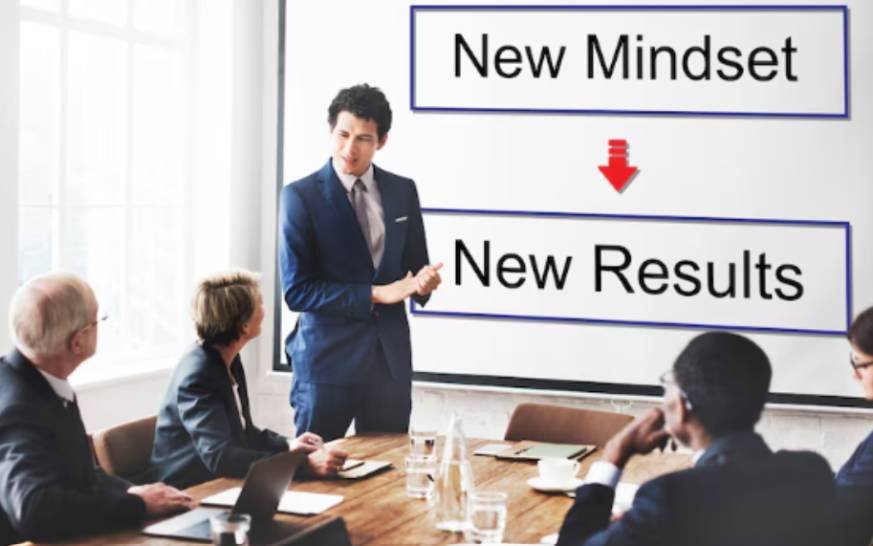
As AI handles more technical and repetitive tasks, human skills become even more important. Creativity, critical thinking, communication, leadership, ethics, and problem-solving are difficult to automate fully.
For example, AI can generate a marketing idea, but a person must decide whether it fits the brand. AI can summarize customer feedback, but a manager must understand the emotion behind it. AI can analyze data, but leaders must decide what action makes sense.
This is why the future of work is not only about learning AI tools. It is also about becoming better at the skills AI cannot easily copy.
Risks of AI in the Workplace
AI brings many benefits, but it also creates risks. Businesses must think carefully about privacy, bias, job security, data accuracy, and overreliance on automation.
AI tools can make mistakes. They can also repeat biased information if the data behind them is flawed. In hiring, finance, healthcare, and customer service, these mistakes can have serious consequences.
Companies should set clear rules for AI use. Employees should know what information is safe to enter into AI tools, when to check AI-generated work, and when human review is required. Responsible AI use builds trust and protects both workers and customers.
How Workers Can Prepare for an AI-Powered Future
Workers do not need to become technology experts overnight. But they should start building AI literacy. This means understanding what AI can do, what it cannot do, and how to use it carefully.
Workers also need the right digital setup, so choosing the best laptop for work can make AI tools, online meetings, research, and daily productivity much easier to manage.
The best place to start is with everyday tasks. Use AI to brainstorm ideas, summarize notes, draft outlines, compare options, or organize research. Then review the output carefully and improve it with human judgment.
People should also build skills in data thinking, communication, creativity, project management, and ethical decision-making. These skills will help workers stay adaptable as technology keeps changing.
Why Businesses Should Use AI Strategically
Businesses should not adopt AI just because it is popular. They should use it to solve real problems. The best results come when companies identify slow processes, train employees properly, and choose tools that support actual business goals.
AI can improve customer service, reduce costs, speed up reporting, strengthen marketing, personalize employee training, and support smarter planning. But success depends on leadership, training, and clear policies. The companies that benefit most from AI will be those that treat it as a work partner, not a shortcut for every decision.
Frequently Asked Questions
1. How is AI changing jobs?
AI is changing jobs by automating routine work, improving decision-making, and helping employees complete tasks faster. How Artificial Intelligence Is Changing the Way We Work shows that most roles will not disappear completely, but many will require new skills and better digital confidence.
2. Will AI replace human workers?
AI may replace some repetitive tasks, but it is more likely to change how people work. Human creativity, judgment, empathy, and leadership remain important in most workplaces.
3. What skills are needed for the future of work?
Workers need AI literacy, communication, critical thinking, creativity, problem-solving, and basic data understanding. These skills help people use technology without depending on it blindly.
4. How can businesses use AI safely?
Businesses can use AI safely by setting clear rules, protecting private data, checking AI-generated work, training employees, and keeping humans involved in important decisions.
Final Thoughts
I believe the biggest change is not that AI is taking over work. The bigger change is that work is becoming faster, more digital, and more skill-based. How Artificial Intelligence Is Changing the Way We Work is really about learning how to use smart tools without losing human judgment.
Workers who stay curious, adaptable, and willing to learn will be better prepared for the future. AI can handle tasks, but people still bring purpose, creativity, and meaning to the workplace.