

An event backdrop plays a crucial role in setting the tone and enhancing the overall experience of any event. Whether it is a corporate conference, a wedding, a concert, or a trade show, the choice of backdrop can significantly influence the atmosphere and aesthetics of the venue. Selecting the perfect event backdrop involves considering several factors to ensure it aligns with the event’s purpose and theme.
Understanding the Purpose of the Event Backdrop
Before selecting an event backdrop, it is important to define its intended purpose. Some backdrops serve purely decorative functions to beautify the space, while others act as branding tools showcasing logos and messages. In some cases, backdrops are used as photo walls, providing a visually appealing background for attendees’ pictures. Identifying the primary function helps narrow down suitable options.
Assessing the Event’s Theme and Style
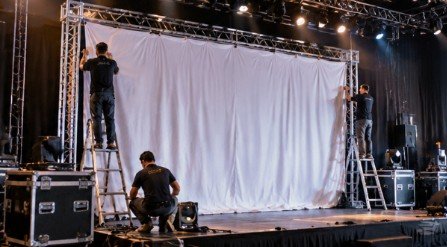
The theme and style of an event heavily influence the design and material of the backdrop. For formal events, such as conferences and awards ceremonies, backdrops with simple, elegant designs and neutral colours typically work best. In contrast, vibrant and dynamic backdrops suit entertainment events or parties, where the aim is to create a lively and upbeat ambiance.
Size and Scale of the Backdrop
Choosing the right size for the event backdrop is essential. The backdrop should be proportionate to the venue and visible to all attendees without overwhelming the space. Larger events with spacious stages may require expansive backdrops, while intimate gatherings might benefit from more modest-sized designs. Measurements of the event area should be taken beforehand to ensure an appropriate fit.
Material and Durability
The durability and quality of the backdrop material are key considerations, especially for events lasting several hours or recurring use. Common materials include fabric, vinyl, and mesh. Fabric backdrops offer elegance and a smooth finish, ideal for formal occasions. Vinyl is robust and weather-resistant, making it suitable for outdoor events. Mesh materials allow airflow and are useful in windy conditions outdoors.
Portability and Ease of Setup
For events requiring quick assembly or frequent relocation, portability is a vital factor. Lightweight backdrops that can be easily folded or rolled are preferred. Some event backdrops come with truss systems or support frames to facilitate fast and stable installation. Assessing whether the backdrop can be transported conveniently between venues ensures efficient event management.
Design Customisation Options
Customisation allows event organisers to tailor the backdrop to meet specific branding or styling needs. Printing company logos, event themes, or artistic graphics on the backdrop enhances its impact. Many providers offer bespoke design services or templates which can be adapted. This flexibility is advantageous for reinforcing an event’s identity and making a lasting impression on attendees.
Lighting and Visual Enhancement
Consider how the backdrop interacts with lighting setups. Certain materials reflect light better, creating a more vivid and attractive appearance in photographs and video recordings. Others absorb light, reducing glare and distractions. Incorporating lighting fixtures such as LED strips or spotlights can further enhance the backdrop’s visual appeal and highlight key design elements.
Budget Constraints
The budget allocated for event backdrops varies widely depending on the scale and nature of the event. It is important to balance cost against quality and functionality. Higher-end backdrops may offer greater durability and aesthetic features but can strain budgets. Conversely, more affordable options might lack customization or sturdiness. Optimising the budget by prioritising essential features ensures effective resource use.
Environmental Considerations
Increasingly, event organisers are mindful of environmental impacts when selecting materials and suppliers. Sustainable designs made from recyclable or eco-friendly materials contribute positively to this effort. Additionally, reusable backdrops that can be utilised across multiple events reduce waste. Choosing environmentally responsible products aligns with modern corporate social responsibility goals.
Compatibility with AV Equipment
Many events incorporate audio-visual elements which interact with the backdrop. It is crucial to ensure that the backdrop design and material do not interfere with sound quality or projectors. Some surfaces may reflect or absorb light in ways that affect visual presentations. Coordinating with AV technicians when selecting the backdrop can prevent technical issues during the event.
Safety and Stability
Safety considerations include the stability of the backdrop structure and adherence to venue regulations. Backdrops must be securely anchored to prevent accidents. Materials should be fire retardant if required by law. Checking that the backdrop complies with health and safety standards ensures the wellbeing of attendees and staff.
Vendor Selection and Support Services
Choosing a reliable supplier is fundamental to acquiring a high-quality event backdrop. Leading vendors offer professional advice, design services, and technical support for setup and dismantling. Establishing clear communication with the supplier helps address particular needs and manage expectations. Engaging with experienced providers reduces risks related to quality and logistics.
Case Studies and Examples
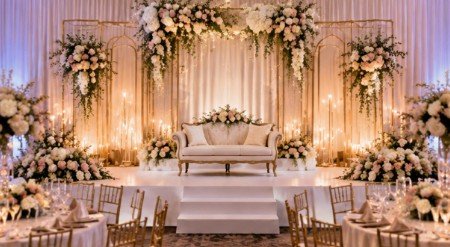
Reviewing case studies or example portfolios from suppliers or previous events can provide insight into suitable backdrop solutions. Observing how different backdrops perform in various settings informs better decision-making. Where possible, viewing physical samples or mock-ups aids in visualising the final effect more accurately.
Coordinating Backdrop with Other Décor Elements
The backdrop should complement other decorative items such as stage flooring, floral arrangements, and table settings. Harmonising colour schemes and design themes creates a cohesive and polished look. Disjointed elements can detract from the event’s professionalism and attendee experience.
Maintenance and Storage
Post-event maintenance and storage requirements should be assessed, especially for reusable backdrops. Materials that are easy to clean and store without damage improve long-term usability. Proper care extends the lifespan of the backdrop and provides cost savings for future occasions.
Conclusion
Selecting the right event backdrop involves careful consideration of various factors including purpose, size, material, design, and budget. By understanding the event’s requirements and working closely with trusted suppliers, organisers can enhance the visual impact and success of their event. Incorporating these guidelines ensures that the backdrop not only serves its functional role but also enriches the overall attendee experience.