

If you lost your job tomorrow, how long could you comfortably pay your bills?
Most Americans underestimate that number. I’ve seen people focus on investing, credit scores, and side hustles while completely overlooking the one financial buffer that protects everything else. That’s where the emergency fund rule 3 6 9 comes in.
This simple but powerful framework tells you exactly how many months of essential expenses you should save based on your income stability, household risk, and financial responsibilities. It isn’t a rigid rule. It’s a smart, tiered system that adapts to real life in the United States.
Before you think about growing wealth, you need to protect it. Let’s break down how this rule works — and how to decide whether three, six, or nine months makes sense for you.
What Is the Emergency Fund Rule 3 6 9?
The 3-6-9 framework is a personal finance guideline that recommends saving three, six, or nine months of essential living expenses depending on your financial situation.
It acts as a structured safety net, not a one-size-fits-all standard. Many financial institutions and planning resources use this tiered approach because income stability varies widely across American households.
The goal is simple: protect yourself from job loss, medical emergencies, car repairs, housing issues, or sudden income disruption.
Who Should Save 3 Months of Expenses?

Three months is typically recommended for people with strong job security and minimal obligations.
You may fit this tier if you:
- Work in a stable salaried position
- Live in a dual-income household
- Have no dependents
- Rent instead of own
- Have limited fixed debt
If you also have family support as a fallback, three months may provide reasonable coverage.
When I started my career, this was my first milestone. It gave me breathing room without overwhelming me.
Why 6 Months Is the Most Common Benchmark
Six months of essential expenses is often considered the standard for U.S. families.
This level fits best if you:
- Have children
- Carry a mortgage
- Make car payments
- Support dependents
- Live on one primary income
Replacing income in today’s labor market can take time. A six-month reserve gives you space to search without panic.
For most American households, this level balances practicality and security.
When Should You Target 9 Months or More?
Nine months is designed for higher financial volatility.
This applies if you:
- Are self-employed
- Freelance or contract
- Own a business
- Work on commission
- Are the sole earner in a large household
Income gaps for entrepreneurs can stretch longer than expected. That’s why the extended cushion exists.
If your income fluctuates significantly, aiming for nine months reduces financial pressure dramatically.
How Do You Calculate Your Emergency Fund Target?
This is where clarity matters.
Step 1: Identify Essential Monthly Costs
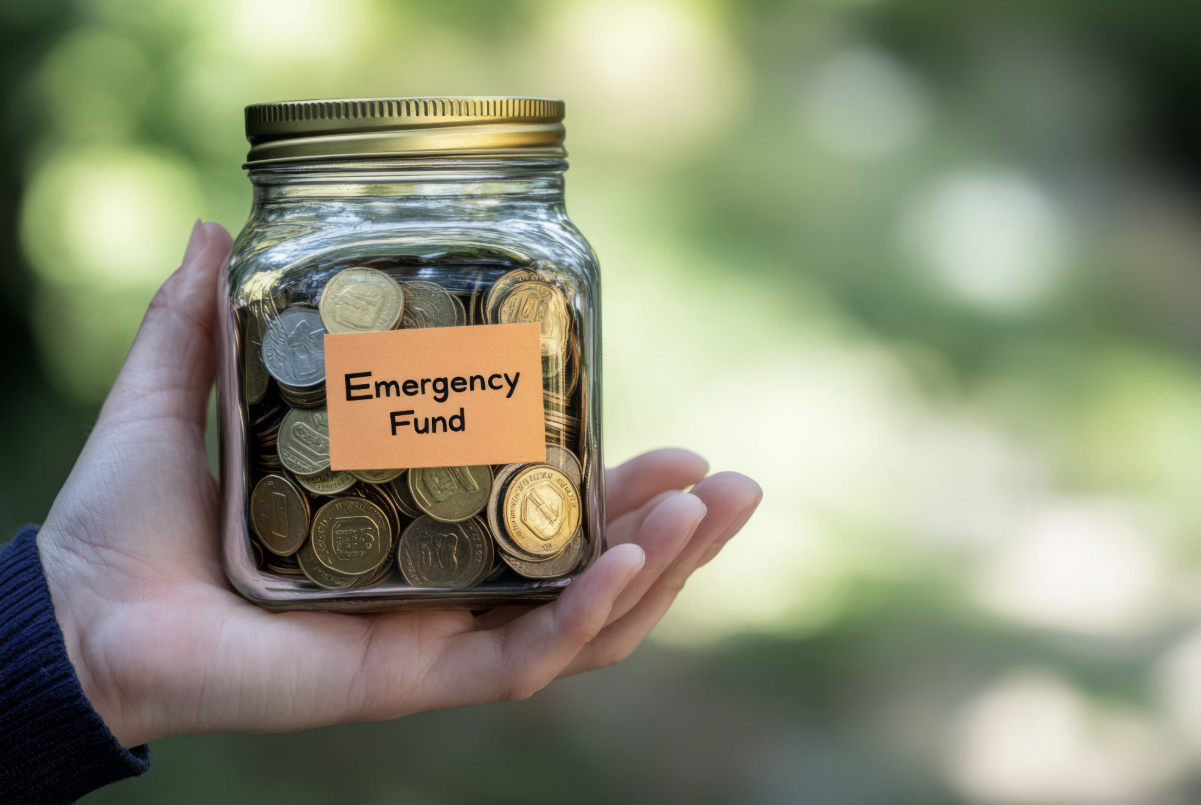
List only non-negotiable expenses:
- Rent or mortgage
- Utilities
- Groceries
- Insurance premiums
- Minimum debt payments
- Transportation
- Healthcare
Exclude dining out, entertainment, travel, and subscriptions.
Step 2: Multiply by 3, 6, or 9
If your essential monthly expenses equal $4,000:
- 3 months = $12,000
- 6 months = $24,000
- 9 months = $36,000
This formula gives you your exact target.
Many reputable finance sources use this multiplier method because it keeps the calculation simple and realistic.
Where Should Americans Keep Their Emergency Fund?
Liquidity matters more than return.
Financial experts typically recommend keeping funds in:
- High-yield savings accounts
- Money market accounts
- FDIC-insured online banks
- Short-term cash equivalents
The Federal Deposit Insurance Corporation (FDIC) insurance protects up to $250,000 per depositor per bank in the United States, which provides strong security.
Some investors use liquid mutual funds for slightly higher returns, but these may require 1–2 business days for access and can carry minimal market exposure. For most Americans, fully insured cash accounts provide safer access.
Your emergency fund should never sit in:
- Stocks
- Crypto
- Long-term CDs
- Retirement accounts
Access and stability come first.
Why the Emergency Fund Rule 3 6 9 Still Works Today
Economic uncertainty, inflation, layoffs, and healthcare costs continue to challenge American households. That’s why the emergency fund rule 3 6 9 remains relevant.
It adapts to:
- Career risk
- Family size
- Income predictability
- Financial obligations
Instead of choosing a random savings goal, you align your cushion with your real-life risk level.
That flexibility makes the rule durable across economic cycles.
How Do You Build an Emergency Fund From Scratch?
If you’re starting at zero, don’t aim for six months immediately. Build in phases.
Start with $1,000 as a mini emergency fund.
Automate transfers from every paycheck.
Redirect tax refunds or bonuses toward savings.
Temporarily reduce discretionary expenses.
Consistency beats intensity.
Most Americans underestimate how quickly small automated contributions grow. Financial discipline, not income level, determines success.
Common Emergency Fund Mistakes to Avoid

Over-saving before investing
Once you reach your target tier, redirect excess savings toward retirement accounts like a 401(k) or individual retirement account (IRA).
Investing emergency funds
Emergency savings are not meant to generate high returns.
Keeping it in checking
Separation reduces accidental spending.
Ignoring annual recalculations
Update your number each year as expenses change.
Frequently Asked Questions (FAQs)
1. How much emergency fund should I have in the U.S.?
Most experts suggest three to six months of essential expenses. If your income is unpredictable, nine months offers stronger protection.
2. Is $1,000 enough for an emergency fund?
It works as a starter fund but does not replace a full emergency savings target.
3. Should I pay off debt before saving?
Build a small cushion first, then aggressively pay down high-interest debt while continuing gradual savings.
4. Can I keep emergency savings in a high-yield savings account?
Yes. High-yield savings accounts are commonly recommended because they combine liquidity with competitive interest rates.
Final Thoughts
Financial freedom starts with protection, not investing.
The emergency fund rule 3 6 9 gives Americans a structured, risk-based roadmap to build that protection. Whether you choose three, six, or nine months, the key is aligning your savings level with your real financial risk.
Once you build that cushion, using tools like best high yield savings accounts can help your emergency fund grow while staying accessible. You gain confidence, flexibility, and control over your financial future.
And that stability changes everything.