A smart home meant expensive gadgets, complicated wiring, and futuristic features most people would never use. Now, I see it differently. How Smart Home Devices Are Changing Modern Living is really about making ordinary routines easier, safer, and more efficient.
From lights that turn on before you enter a room to thermostats that adjust while you are away, smart technology is no longer just a luxury. It is becoming part of how households manage time, comfort, security, and energy every day.
What Are Smart Home Devices?
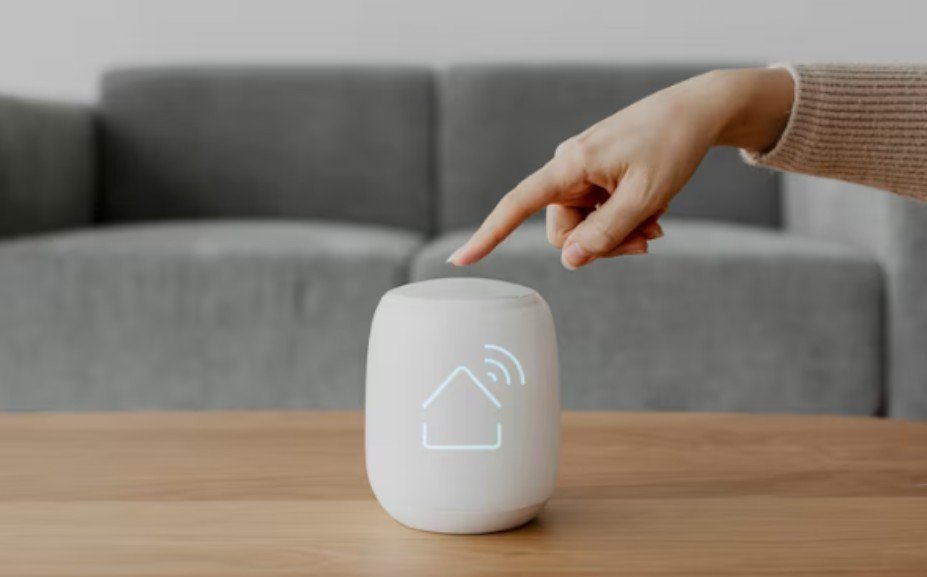
Smart home devices are connected tools that let people control, automate, or monitor parts of their home through apps, sensors, voice assistants, or schedules. These devices can include smart lights, speakers, thermostats, doorbells, cameras, locks, plugs, appliances, smoke detectors, blinds, and home security systems.
The main idea is simple. Instead of manually controlling every part of the home, smart devices help the home respond to daily needs. A light can dim at bedtime. A lock can be checked from a phone. A thermostat can lower energy use when nobody is home. These small changes add up to a more convenient lifestyle.
How Smart Home Devices Work
Most smart home devices connect through Wi-Fi, Bluetooth, Zigbee, Z-Wave protocol, or newer compatibility systems like Matter. Once connected, users can control them through a smartphone app, voice assistant, or smart hub.
Automation is where the real value appears. A homeowner can create routines such as “good morning,” “movie night,” or “away mode.” With one command or schedule, several devices can work together. Lights, temperature, locks, cameras, and appliances can all respond without repeated manual effort.
Convenience in Everyday Life
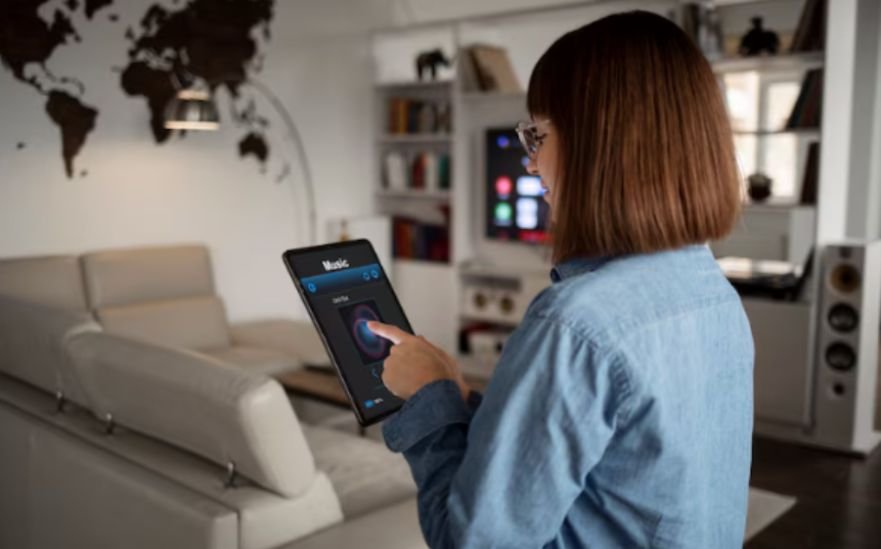
One of the biggest reasons smart homes are growing is convenience. People want homes that fit busy schedules. Smart speakers can set reminders, play music, answer simple questions, and control other devices. Smart plugs can turn regular appliances on or off from anywhere. Robot vacuums can clean floors while the family is at work or school.
This is especially useful for people balancing work, errands, children, pets, and home responsibilities. Instead of wondering whether the lights were left on or the door was locked, a quick app check can provide peace of mind.
Better Security and Peace of Mind
Smart security is one of the strongest reasons people invest in connected home technology. Video doorbells let homeowners see who is at the door. Smart locks allow keyless entry and remote locking. Motion sensors can send instant alerts. Cameras can monitor driveways, entryways, garages, and backyards.
These tools do not replace careful habits, but they make home monitoring easier. A person can receive a package alert, check on a pet, or confirm that a child arrived home safely. For many households, that real-time visibility is one of the most valuable benefits of smart living.
Energy Efficiency and Lower Waste
Smart home devices can also support better energy habits. Smart thermostats learn patterns and adjust heating or cooling based on occupancy. Smart bulbs use less electricity and can turn off automatically. Smart plugs help detect devices that waste power in standby mode.
Energy monitoring tools can show which appliances use the most power. This helps homeowners make better choices about usage, upgrades, and daily routines. Over time, small changes like automated lighting, building performance forecasting, and smarter appliance use can reduce waste.
Personalized Comfort at Home
Modern living is not only about speed. It is also about comfort. Smart devices can create personalized settings for different rooms, times, and moods. Lighting can become warmer in the evening. Smart blinds can close during peak sunlight. Speakers can play music in one room while another room stays quiet.
Smart thermostats can create different comfort zones, which is helpful in larger homes or houses where family members prefer different temperatures. These features make the home feel more responsive and personal.
Smart Homes for Renters and Small Spaces
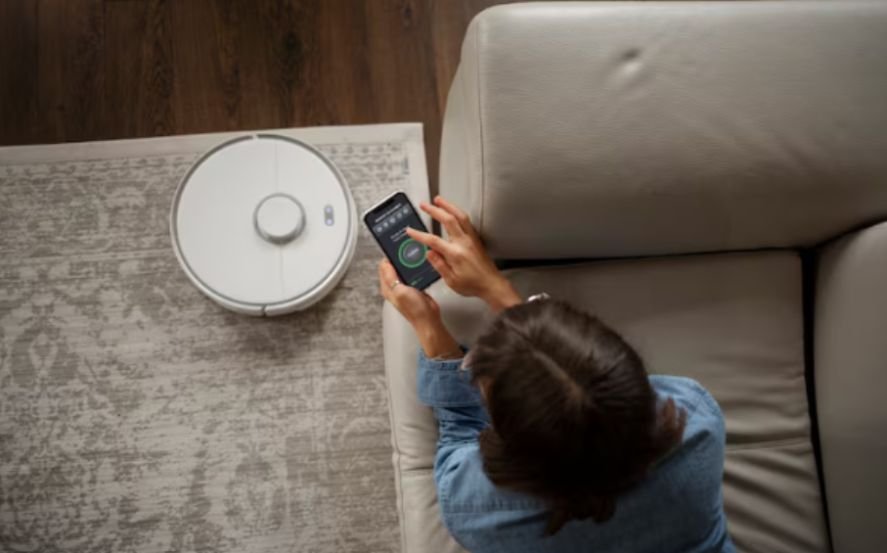
A smart home does not require major renovation. Renters and apartment dwellers can still use simple devices such as smart bulbs, plugs, speakers, sensors, portable cameras, and robot vacuums. Many of these upgrades do not need drilling, rewiring, or permanent installation.
This makes smart living more accessible. Someone in a small apartment can still automate lights, improve security, reduce energy waste, and control devices from a phone. Smart technology is no longer only for large houses.
Support for Families and Aging Adults
Smart devices can also support family care. Voice assistants can remind older adults to take medication. Motion lights can reduce the risk of falls at night. Smart cameras and sensors can help caregivers check in without being intrusive.
For families, smart displays, door sensors, indoor cameras, and location-based routines can make daily management easier. Parents can know when doors open, lights turn on, or someone arrives home. These features bring practical support to everyday caregiving.
Challenges of Smart Home Devices
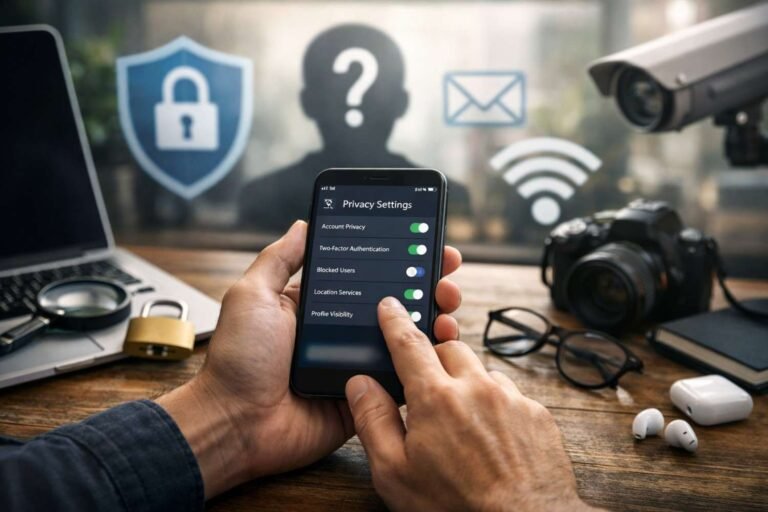
Smart homes are useful, but they are not perfect. Privacy is one major concern. Devices may collect data about routines, voice commands, video activity, or usage patterns. Security is another issue because weak passwords, outdated software, or unsecured networks can create risks.
Smart homes depend on connected apps, accounts, and online controls, so users should be aware of the digital payment safety rules when managing purchases, subscriptions, app permissions, and saved payment details for smart devices.
Compatibility can also be frustrating. Not every device works with every platform. Some people may need several apps to control different products. Cost is another factor, especially when building a complete smart home setup.
The best approach is to start small. Choose trusted brands, update device software, use strong passwords, enable two-factor authentication, and keep smart devices on a secure network.
Best Smart Home Devices to Start With
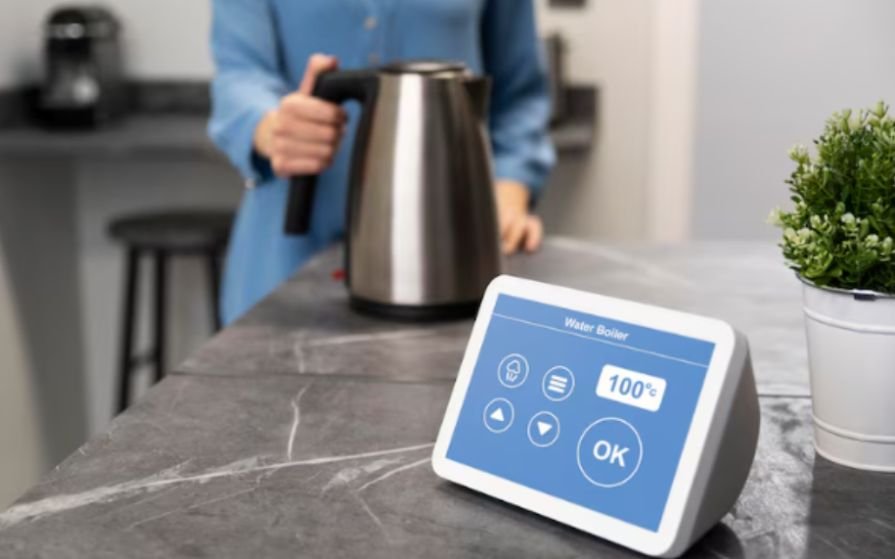
Beginners do not need to buy everything at once. The easiest starting points are smart bulbs, smart plugs, smart speakers, video doorbells, and smart thermostats. These devices are practical, affordable, and easy to understand.
Beginners who want useful upgrades without spending too much can also look out for a budget gadgets worth buying that feel premium, because many affordable smart devices can improve comfort, security, and convenience at home.
A smart thermostat is a strong choice for energy control. A video doorbell is useful for security. Smart bulbs and plugs are great for convenience. Once users understand these basics, they can add cameras, locks, sensors, blinds, and appliances.
The Future of Smart Homes
The next stage of smart living will be more intelligent and connected. Homes may use AI to predict routines, detect unusual activity, manage energy more efficiently, and support health-focused living. Devices will likely become easier to connect as compatibility standards improve.
How Smart Home Devices Are Changing Modern Living is not only about controlling gadgets. It is about homes becoming more aware, responsive, and helpful. The future home will not just react to commands. It may anticipate needs before users ask.
Frequently Asked Questions
1. What are the main benefits of smart home devices?
The main benefits include convenience, improved security, better energy control, remote access, personalized comfort, and easier home management. They help people save time and make daily routines smoother.
2. Are smart home devices safe to use?
Smart home devices can be safe when users follow good security habits. Use strong passwords, update firmware, enable two-factor authentication, and avoid buying unknown or poorly supported products.
3. Do smart home devices save money?
Some devices can help reduce energy waste, especially smart thermostats, bulbs, plugs, and energy monitors. Savings depend on usage habits, home size, climate, and the devices installed.
4. How Smart Home Devices Are Changing Modern Living for renters?
They help renters enjoy automation without permanent changes. Smart bulbs, plugs, speakers, cameras, and portable sensors can improve comfort, safety, and control in apartments or rental homes.
Final Thoughts
I believe smart homes are becoming popular because they solve real problems, not because they look futuristic. They help people manage busy schedules, protect their homes, reduce waste, and create more comfortable spaces.
How Smart Home Devices Are Changing Modern Living shows that connected technology is no longer just about luxury. It is about building homes that work better for everyday life.