

A few years ago, starting an online business often meant launching an e-commerce store or trying your luck with affiliate marketing. Today, the landscape looks very different. New technologies, changing consumer behavior, and the rise of digital entrepreneurship have created entirely new opportunities that can scale faster than many traditional businesses.
What stands out now is that some of the fastest-growing online business models are not built around physical products at all. Instead, they rely on audience trust, recurring revenue, automation, and digital delivery. As businesses and consumers continue to embrace online solutions, certain models are emerging as clear leaders in terms of growth potential and long-term sustainability.
Why Some Online Business Models Are Growing Faster Than Others

Not every online business opportunity experiences the same level of growth. The models attracting the most attention today tend to share a few common characteristics. They are highly scalable, require relatively low overhead costs, and often generate recurring income rather than relying on one-time sales.
Another important factor is consumer demand. People increasingly want convenience, personalized experiences, digital access, and solutions that save time. Businesses that meet these expectations are finding it easier to grow and retain customers.
The Creator Economy And Digital Products
One of the most significant shifts in digital business models has been the rise of creator-led businesses. Instead of relying entirely on advertising revenue, creators are building direct relationships with their audiences and monetizing them through digital products.
These products can include:
- Online courses
- E-books
- Templates
- Membership communities
- Software tools
- Exclusive content subscriptions
The appeal is simple. Once a digital product is created, it can be sold repeatedly without manufacturing, shipping, or inventory costs. This creates extremely attractive profit margins and makes scalability much easier than in a traditional ecommerce business.
However, success often depends on audience trust. Many creators still rely heavily on social platforms for visibility, which means algorithm changes can impact growth overnight.
Micro-SaaS Is Turning Small Ideas Into Scalable Businesses

Software as a Service has traditionally been associated with large technology companies. However, Micro-SaaS has changed that perception.
A Micro-SaaS business focuses on solving one specific problem for a niche audience. Instead of building a massive software platform, entrepreneurs create targeted solutions that address a clear need.
For example, a small software tool designed specifically for freelance designers, property managers, or accountants can generate predictable monthly recurring revenue while operating with a relatively lean team.
This model continues to grow because businesses increasingly prefer specialized tools over complex software suites. Customers often stay loyal when a product solves a problem efficiently, creating a strong recurring revenue business.
The biggest challenge is competition. If a niche proves profitable, new competitors can enter quickly with similar features.
AI-As-A-Service Is Reshaping Digital Entrepreneurship
Artificial intelligence has become one of the biggest growth drivers across online business opportunities.
Instead of building foundational AI models themselves, many companies are creating specialized applications that use existing AI technology to solve industry-specific problems. These businesses are often called AI-as-a-Service providers.
Examples include:
- AI-powered content optimization
- Automated customer support tools
- Legal document analysis platforms
- Video editing automation
- Marketing workflow automation
What makes this model attractive is speed. Entrepreneurs can launch products faster by building on existing AI infrastructure rather than developing complex systems from scratch.
Businesses are actively looking for ways to improve productivity, reduce costs, and automate repetitive work. As a result, AI-powered businesses are seeing strong demand across multiple industries.
The challenge is maintaining a competitive advantage. Rapid advancements in AI can quickly change the market landscape.
Subscription Commerce Continues To Expand

Subscription business models have evolved far beyond entertainment services. Today, recurring product deliveries and curated experiences are becoming increasingly common.
Consumers appreciate convenience and predictability. Whether it is premium coffee, wellness products, specialty foods, or curated fashion selections, subscription commerce creates ongoing relationships rather than one-time transactions.
For business owners, this model offers several advantages:
- More predictable revenue
- Better inventory planning
- Stronger customer retention
- Higher customer lifetime value
Many entrepreneurs who initially research online business ideas eventually discover that recurring revenue often creates greater stability than single-purchase businesses.
At the same time, maintaining value is critical. Customers will quickly cancel subscriptions if they no longer see a clear benefit.
High-Ticket Affiliate Marketing Has Become More Sophisticated
Affiliate marketing remains one of the fastest-growing online business models, but the most successful operators are no longer promoting low-cost consumer products.
Today’s highest-performing affiliate businesses focus on high-ticket software, financial services, professional tools, and business solutions. Instead of earning small commissions on individual purchases, they generate significant income from a smaller number of qualified referrals.
This model works particularly well when combined with content marketing, newsletters, podcasts, or niche websites.
Interestingly, many entrepreneurs exploring digital business models compare online opportunities with traditional ventures. Someone researching how to start a momos stall business may discover that affiliate marketing offers a completely different path with lower operational complexity and greater scalability, depending on their goals.
The challenge is maintaining credibility. Audiences quickly lose trust if recommendations appear driven solely by commissions.
What These Business Models Have In Common
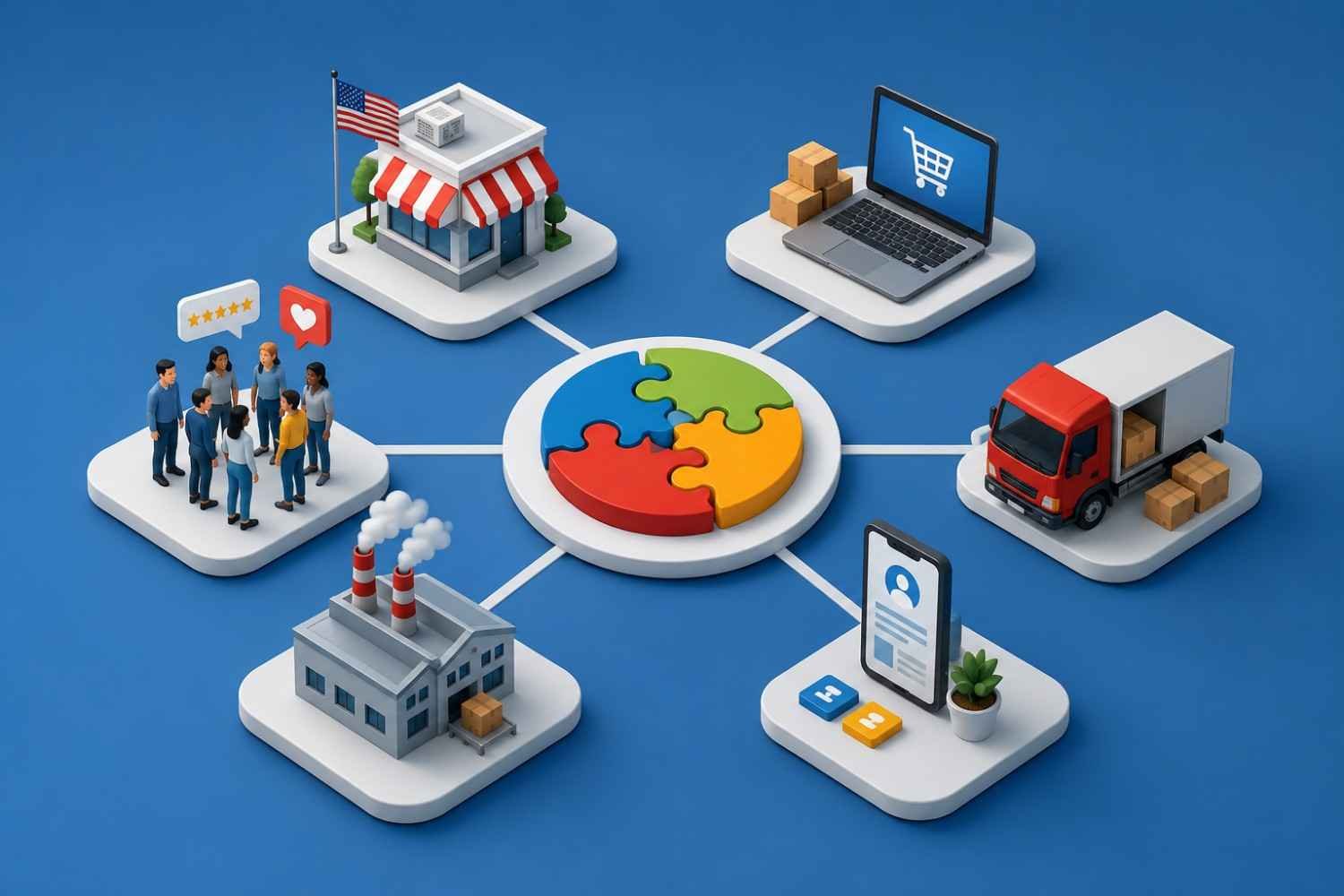
While these models operate differently, several common trends explain their rapid growth.
- They rely heavily on digital delivery.
- They benefit from automation tools.
- They prioritize recurring income whenever possible.
- They serve specific niche audiences.
- They can scale without significant physical infrastructure.
This shift reflects broader changes in consumer behavior. Businesses that provide convenience, expertise, personalization, or time savings are positioned to grow faster than those relying solely on traditional approaches.
FAQs: A Closer Look At The Fastest Growing Online Business Models Today
1. What is the fastest-growing online business model right now?
AI-as-a-Service and creator-led digital product businesses are currently among the fastest-growing segments because they combine scalability, low overhead, and strong market demand.
2. Are digital products still profitable?
Yes. Digital products remain highly profitable because they have low distribution costs and can be sold repeatedly without inventory or shipping expenses.
3. Is affiliate marketing still worth starting?
Affiliate marketing continues to be a profitable online business, especially in high-ticket niches such as software, financial services, and professional tools.
4. Which online business model offers recurring revenue?
Micro-SaaS, subscription commerce, membership communities, and AI-as-a-Service businesses commonly generate recurring revenue through monthly or annual subscriptions.
Final Thoughts
The most successful online businesses today are not necessarily the largest. Many are highly focused operations serving specific audiences with specialized products, services, or software. What makes these fastest growing online business models so compelling is their ability to scale without the limitations that often slow down traditional businesses. Whether it is digital products, Micro-SaaS, AI-powered services, subscription commerce, or high-ticket affiliate marketing, each model reflects a broader shift toward convenience, automation, and recurring value.
The opportunity is not simply finding a trend. It is identifying where your skills align with market demand and building a business that can grow sustainably over time.