

A few years ago, influencer marketing was often treated as a side project. Brands would pay a creator to post about a product, watch the engagement numbers roll in, and hope some of that attention turned into sales. Sometimes it worked. Often, it didn’t. The problem was that many businesses focused on visibility without building a system that could consistently generate results.
Today, the landscape looks very different. Modern brands are approaching influencer partnerships with the same level of strategy they apply to sales, advertising, and customer acquisition. The most successful companies no longer see creators as promotional tools. Instead, they view them as long-term business partners who can help build trust, generate content, and drive measurable revenue. Understanding these influencer business strategies can help brands create stronger growth engines in an increasingly competitive digital marketplace.
Why Influencer Marketing Has Become a Business Strategy

The creator economy has matured significantly. Consumers are more skeptical of traditional advertising, yet they continue to trust recommendations from creators they follow regularly. This shift has pushed brands to rethink how they approach customer acquisition and audience engagement.
Rather than focusing on likes and impressions alone, businesses now evaluate influencer campaigns through metrics such as conversions, customer acquisition costs, retention, and return on investment. This evolution has transformed influencer marketing from a branding exercise into a scalable business strategy.
Shift Toward Performance-Based Compensation
One of the biggest changes in influencer marketing is the move away from flat-fee partnerships.
Many brands previously spent large amounts on creators based solely on follower counts. While reach remains valuable, it does not always translate into sales. Modern companies are adopting performance-based models that reward creators for actual business outcomes.
A common approach includes:
- A base payment for content creation and exposure
- Affiliate commissions on sales generated
- Performance bonuses tied to revenue goals
This structure creates alignment between the brand and the creator. Both parties benefit when campaigns perform well. It also provides clearer data for evaluating campaign success and optimizing future partnerships.
Why Micro and Nano Creators Are Winning
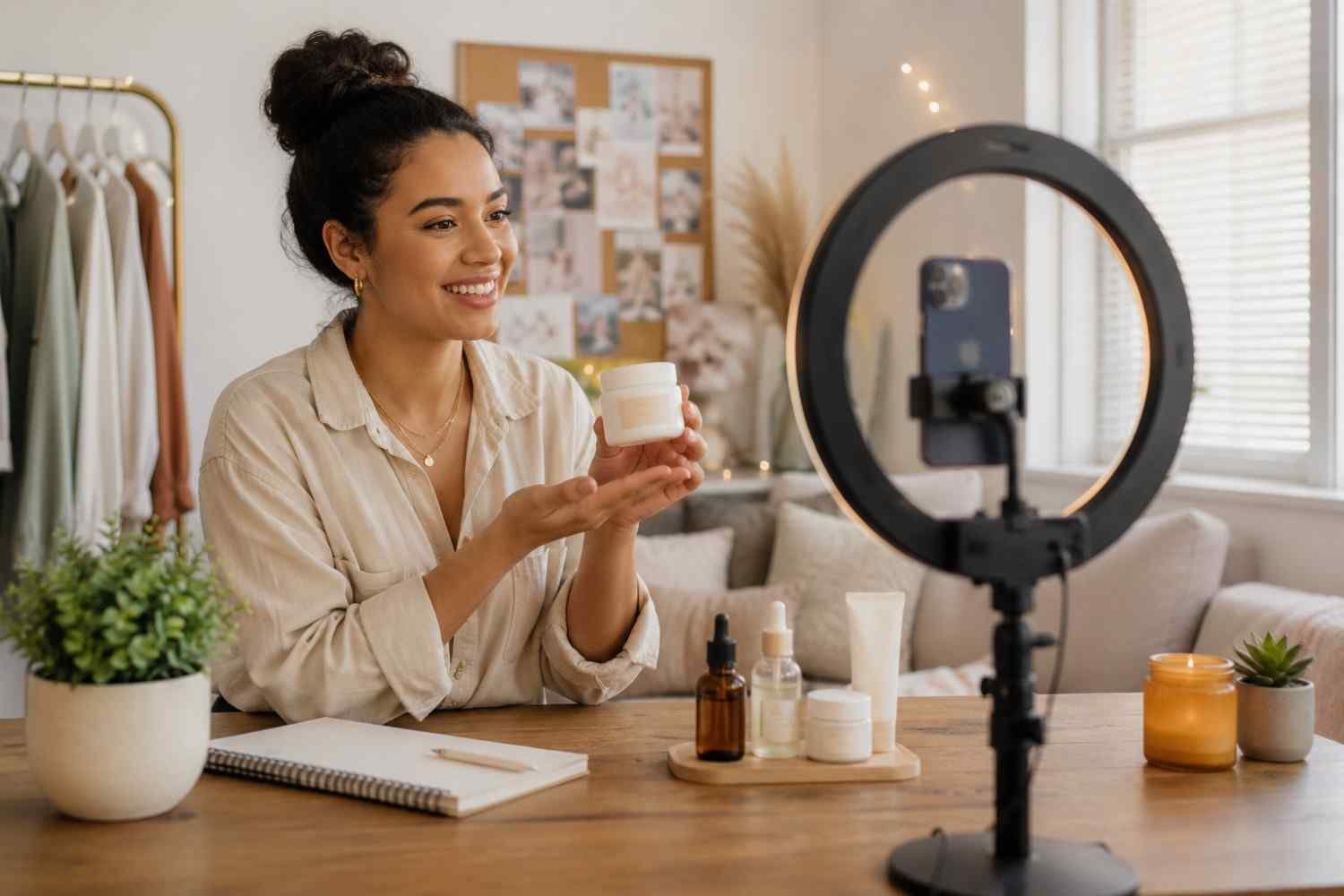
Many businesses assume that larger audiences automatically produce better results. However, engagement often tells a different story.
Micro-influencers and nano-creators typically build communities around specific interests and passions. Their audiences are highly engaged because the relationship feels more personal and authentic.
Brands are increasingly partnering with creators in niche markets such as:
- Fitness and wellness
- Personal finance
- Sustainable fashion
- Technology and software
- Home improvement
- Food and lifestyle
Because these creators have built strong trust with their followers, their recommendations often feel more like advice from a friend than a traditional advertisement.
For brands looking to implement small business growth hacks, working with smaller creators can be a cost-effective way to reach highly targeted audiences without requiring large marketing budgets.
Build Long-Term Ambassador Programs Instead of One-Off Campaigns
Many companies still treat influencer partnerships as temporary transactions. They hire a creator for a single campaign and move on once the content is published.
Leading brands are taking a different approach by building ambassador programs that encourage long-term collaboration.
When creators work with a brand consistently, they develop a deeper understanding of the products, values, and customer experience. Their content becomes more natural because they are speaking from genuine familiarity rather than a short-term partnership.
Successful ambassador programs often include:
- Tiered reward systems
- Exclusive product access
- Early launches and previews
- Affiliate opportunities
- Community recognition
Long-term relationships also help audiences view the partnership as authentic rather than purely promotional.
Turn Creator Content Into Long-Term Marketing Assets

Many brands overlook one of the most valuable outcomes of influencer partnerships: content creation.
Influencer-generated content can continue delivering value long after a campaign ends. Instead of using creator content once and moving on, smart businesses negotiate usage rights that allow them to repurpose those assets across multiple channels.
This content can be used in:
- Social media advertising
- Product landing pages
- Email campaigns
- Website testimonials
- Display advertising
Consumers often respond more positively to creator-generated content because it feels authentic and relatable. In many cases, this content outperforms highly polished corporate advertising because it reflects real-world experiences.
Make Attribution a Priority From Day One
One of the biggest mistakes brands make is launching campaigns without a clear measurement framework.
Without proper tracking, it becomes difficult to understand which creators are driving results and which partnerships need improvement.
Modern brands establish attribution systems before campaigns begin.
Common tracking methods include:
- Unique discount codes
- Affiliate links
- Custom landing pages
- UTM parameters
- Multi-touch attribution models
These tools provide visibility into the customer journey and help marketing teams identify high-performing partnerships.
When businesses know exactly where conversions originate, they can allocate budgets more effectively and scale successful campaigns with confidence.
The Future of Influencer-Led Business Growth

The future of influencer marketing will likely become even more performance-focused. Brands are demanding greater accountability, while creators are increasingly operating like entrepreneurs with sophisticated business models.
The companies that succeed will be those that view influencer partnerships as part of a broader growth strategy rather than isolated marketing campaigns. By combining authentic creator relationships with clear measurement systems, businesses can build sustainable channels that continue generating value over time.
FAQs: Influencer Business Strategies Every Modern Brand Should Learn From
1. What are influencer business strategies?
Influencer business strategies are structured approaches that brands use to partner with creators to achieve business goals such as customer acquisition, brand awareness, sales growth, and audience engagement.
2. Why are micro-influencers often more effective than celebrities?
Micro-influencers typically have stronger relationships with their audiences and higher engagement rates. Their recommendations often feel more authentic, which can lead to better conversion rates.
3. How can brands measure influencer marketing success?
Brands can track success through affiliate links, discount codes, conversions, customer acquisition costs, engagement rates, and return on investment.
4. What is an influencer ambassador program?
An influencer ambassador program is a long-term partnership where creators consistently promote a brand over time, helping build trust, credibility, and sustained customer engagement.
Final Thoughts
The brands achieving the strongest results today are not necessarily the ones spending the most money on influencer marketing. They are the ones building systems. They understand that creators can contribute far beyond awareness by generating content, driving conversions, building communities, and strengthening customer trust. When influencer partnerships are approached strategically, they become a scalable business asset rather than a short-term marketing expense.
As the creator economy continues to evolve, brands that prioritize authentic relationships, measurable outcomes, and long-term collaboration will be in a stronger position to grow and adapt.