
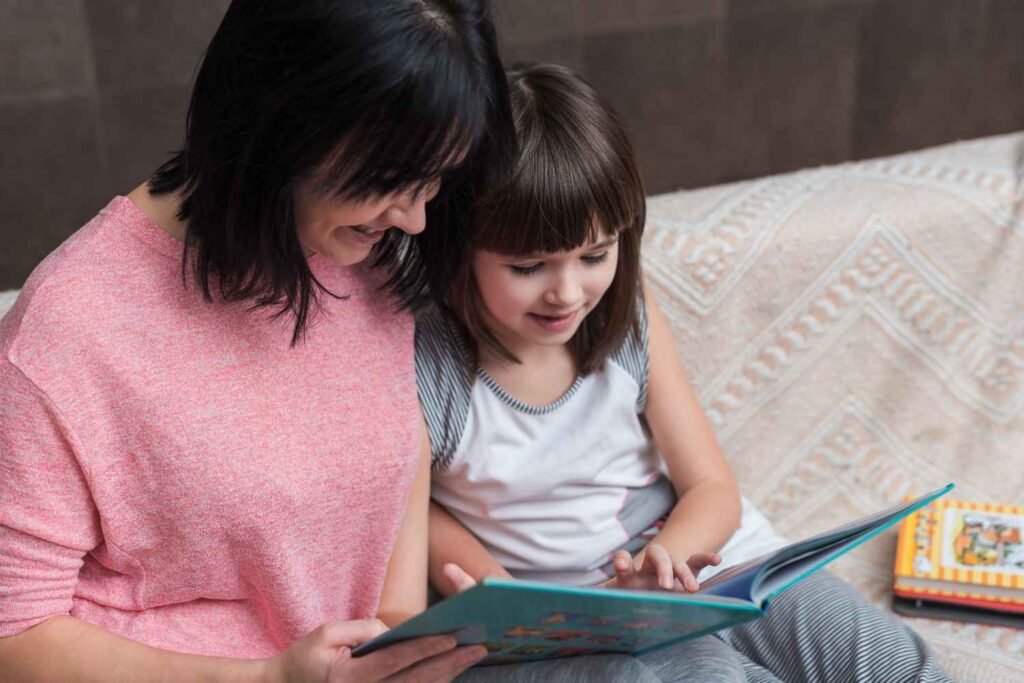
As a parent, I know how stressful it can feel when a child struggles to read fluently, avoids books, or loses confidence during homework. That is why many families search for how to improve reading skills in children and want clear, practical steps they can use at home. The good news is that reading growth does not come from pressure.
It comes from daily practice, strong foundational skills, the right books, and a supportive environment where children feel safe to try.
In the US, reading expectations grow quickly from kindergarten through elementary school. Children need phonics, vocabulary, fluency, comprehension, and confidence to keep up. When parents support these skills early, kids are more likely to enjoy reading and perform better across school subjects.
Why Do Reading Skills Matter for Children?
Reading skills affect almost every part of a child’s education. A strong reader can understand classroom instructions, solve word problems, follow science lessons, write better responses, and build a wider vocabulary. Reading also improves focus, imagination, communication, and independent learning.
When children fall behind, they may avoid books, guess words, or feel embarrassed in class. That is why reading support at home matters. Even 15 to 20 minutes a day can help children improve decoding, fluency, and reading comprehension.
How Can Parents Build Phonemic Awareness First?
Phonemic awareness is the ability to hear and work with individual sounds in spoken words. Before children read smoothly, they need to notice sounds, blend them, and break them apart.
You can practice this through simple verbal games. Say a word like “cat” and ask your child to identify the first sound. Then stretch the word slowly: /c/ /a/ /t/. Ask them to blend the sounds back together. You can also ask what word is left if you remove the first sound from “smile” or what rhymes with “book.”
These games feel simple, but they help children understand how spoken language connects to printed words.
How Does Systematic Phonics Help Children Read Better?

Phonics teaches children the relationship between letters and sounds. This is one of the most important foundations for child reading skills because it helps children decode unfamiliar words instead of guessing.
Start with simple consonant-vowel-consonant words, also called CVC words. Words like cat, dog, map, sun, and sit help children practice blending sounds in a clear pattern. Once they understand these, you can move to blends, digraphs, long vowels, and word families.
A child who understands phonics can approach new words with a strategy. This builds independence and reduces frustration.
Why Should Children Practice High-Frequency Sight Words?
Some common words do not follow regular phonics patterns. Words like “the,” “and,” “you,” “said,” and “was” appear often in books, but children may not be able to sound them out easily.
Practicing high-frequency sight words helps children read faster and with less effort. Flashcards, sticky notes, word walls, and short sentence games can help. The goal is not to memorize hundreds of words at once. Start with a few words each week and review them often.
When children recognize sight words automatically, they can focus more on meaning and less on decoding every single word.
What Are “Just Right” Books for Children?
Book choice can make or break reading practice. A book that is too hard can discourage a child. A book that is too easy may not help them grow. A “just right” book gives enough challenge without creating stress.
One useful method is the Five-Finger Rule. Ask your child to read one page. Each time they struggle with a word, they raise one finger. If they reach five fingers on one page, the book may be too difficult for independent reading.
A good goal is to choose books where your child can recognize about 90% of the words independently. This supports reading fluency for children while still helping them learn new vocabulary.
How Can Repeated Reading Improve Fluency?
Repeated reading is one of the easiest ways to improve speed, accuracy, and confidence. When children reread a familiar story, they spend less energy decoding and more energy reading smoothly.
Let your child reread favorite storybooks, poems, short passages, or even funny pages from a graphic novel. Familiar text helps them practice natural phrasing, punctuation, and expression. This is also one of the practical tips to motivate kids because familiar and enjoyable reading material can make practice feel less stressful.
You can also take turns reading paragraphs or pages aloud. Model fluent reading with the right tone, pauses, and rhythm. Then let your child try. This shows them that strong reading is not just fast reading. It is reading with meaning.
How Can Parents Improve Reading Comprehension at Home?

Reading comprehension for kids improves when parents ask thoughtful questions before, during, and after reading. Before reading, ask what they think the story might be about. During reading, ask why a character made a choice. After reading, ask them to summarize the main idea.
Open-ended questions work better than yes-or-no questions. Ask, “What would you do if you were the character?” or “What lesson did the story teach?” These questions help children think deeply and connect ideas.
You can also use visualization. Ask your child to create a “mind movie” while reading. After a scene, have them describe what they pictured or sketch it quickly. This helps children remember details and understand the story better.
How Can Real-World Reading Build Literacy Skills at Home?
Children do not have to read only traditional books. Real-world text helps them see that reading is useful every day. Grocery lists, street signs, menus, recipes, toy instructions, game rules, and store labels all support literacy skills at home.
Ask your child to read a restaurant menu, follow a simple recipe, or help write a shopping list. These activities build vocabulary and show that reading has a purpose beyond school assignments.
This is especially helpful for reluctant readers because it makes reading feel practical and less intimidating.
How Can Parents Support a Struggling Reader Without Pressure?
Helping struggling readers requires patience and encouragement. If a child makes a mistake, avoid jumping in too quickly. Use the “Pause, Prompt, and Praise” method.
First, pause and give your child a moment to self-correct. Then prompt them with clues, such as asking them to look at the first sound, check the picture, or reread the sentence. Finally, praise the effort they used to solve the word.
This approach teaches strategy instead of shame. It helps children understand that mistakes are part of learning.
If your child continues to read very slowly, skips words, avoids reading, guesses often, or cannot retell what they read, talk with their teacher. Some children may need targeted reading intervention, tutoring, or an evaluation for learning differences.
How Can Families Create a Reading-Friendly Home?
A reading-friendly home does not need to be expensive. A small basket of books, a cozy chair, a library card, and a predictable reading time can make reading feel natural.
Set a daily reading block of 15 to 20 minutes. Bedtime works well for many families, but after dinner or before screen time can also work. The key is consistency.
Let children choose reading materials based on their interests. Comic books, graphic novels, audiobooks, sports books, animal stories, and nonfiction books all count. Personal choice builds motivation and helps children see reading as something enjoyable, not just something required.
Are Audiobooks and Reading Apps Helpful?
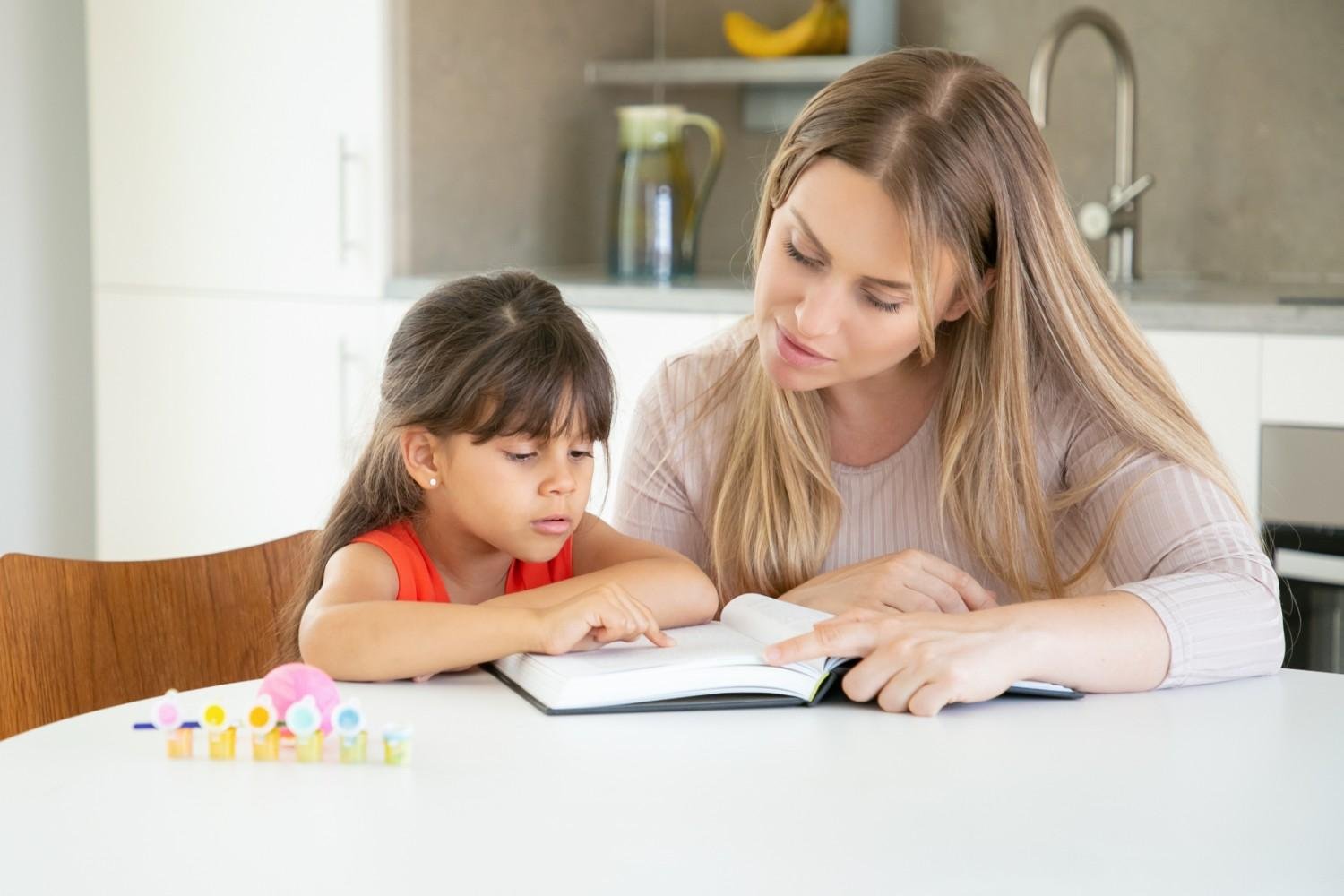
Audiobooks and reading apps can support reading activities for kids when used in balance. Audiobooks help children hear fluent reading, pronunciation, pacing, and expression. They also allow children to enjoy stories that may be above their independent reading level.
Reading apps can help with phonics, sight words, vocabulary, and comprehension practice. However, they should not replace parent-child reading time, printed books, or real conversations about stories.
The best approach is to use digital tools as support, not as the entire reading routine.
Frequently Asked Questions (FAQs)
1. What is the best way to improve reading skills in children?
The best way is to combine daily reading, phonemic awareness, systematic phonics, sight word practice, repeated reading, vocabulary building, and comprehension questions. Parents should keep sessions short, positive, and consistent.
2. How long should children read every day?
Most children benefit from 15 to 20 minutes of reading every day. Younger children may need shorter sessions, while older children can read longer. Consistency matters more than long practice sessions.
3. How do I know if a book is too hard for my child?
Use the Five-Finger Rule. If your child struggles with five words on one page, the book may be too hard for independent reading. Choose a book where they can read most words confidently.
4. How can I help a child who does not like reading?
Let the child choose books based on their interests. Try graphic novels, audiobooks, funny stories, sports books, comics, or nonfiction. Keep reading relaxed and praise effort instead of forcing long sessions.
Final Thoughts
When I think about how to improve reading skills in children, I always come back to one idea: children need steady support, not pressure. Start with sounds, phonics, and sight words. Choose “just right” books. Practice repeated reading. Ask open-ended questions. Use everyday text. Most importantly, praise effort and make reading feel safe.
Small daily habits can turn reading from a stressful chore into a skill children use with confidence, and the same supportive approach also shows parents and teachers how to improve classroom engagement through patience, participation, and meaningful reading practice.