
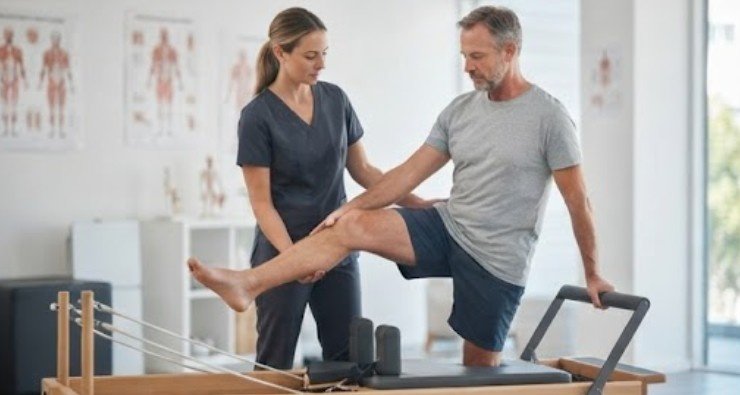
The pilates reformer is a highly regarded piece of equipment that has transformed the way individuals approach fitness and rehabilitation. Originating from Joseph Pilates’ original designs, the reformer introduces resistance-based exercise through a sliding carriage, springs, and adjustable straps. This unique setup enables users to perform a wide range of controlled movements that target strength, flexibility, posture, and overall body awareness.
Unlike traditional Pilates mat exercises, the pilates reformer allows for more varied and progressive workouts. The resistance system provides both assistance and challenge, which caters to different fitness levels. This makes the reformer an ideal tool for beginners seeking low-impact training as well as experienced practitioners aiming to enhance their performance.
Enhancing Core Strength
One of the key fitness benefits of the pilates reformer is the emphasis on core stability. Maintaining proper alignment while moving against resistance forces the activation of deep abdominal and lower back muscles. These core stabilisers support the spine and pelvis, leading to improved posture and reduced risk of injury in everyday activities and sports.
Moreover, strengthening the core with reformer exercises goes beyond aesthetics. A resilient core facilitates better balance, coordination, and efficient movement patterns. This can prove invaluable for individuals recovering from injury or those with sedentary lifestyles seeking functional improvements.
Flexibility and Range of Motion
The dynamic nature of the pilates reformer supports enhanced flexibility and joint mobility. By performing controlled stretching movements with the assistance of springs and straps, users can gradually increase muscle length and joint range of motion. This is particularly beneficial for those with tight muscles or restricted movement caused by injury or ageing.
Increased flexibility attained through reformer training contributes to improved athletic performance and reduces the likelihood of muscle strains. Additionally, enhanced joint mobility supports better posture and reduces compensatory movements that cause discomfort and wear.
Low-Impact Exercise Suitable for Rehabilitation
Due to its adjustable resistance and low-impact mechanics, the pilates reformer is widely utilised within physiotherapy and rehabilitation settings. The equipment provides a controlled environment where individuals can rebuild strength, stability, and coordination without placing undue stress on injured tissues.
Research consistently supports the effectiveness of reformer workouts in restoring function after musculoskeletal injuries, particularly concerning back, shoulder, and hip conditions. Patients benefit from personalised programs that progress safely with their recovery milestones.
Comprehensive Full-Body Workout
The pilates reformer engages multiple muscle groups simultaneously through compound movements. Exercises designed on the reformer often require coordinating limbs, stabilising the core, and controlling breath, resulting in a comprehensive workout that targets strength, endurance, and musculoskeletal alignment.
This holistic approach ensures balanced development and helps minimise muscle imbalances that can lead to injuries. Unlike isolated gym machines that train individual muscles, the reformer promotes functional strength applicable to everyday movements.
Improved Posture and Alignment
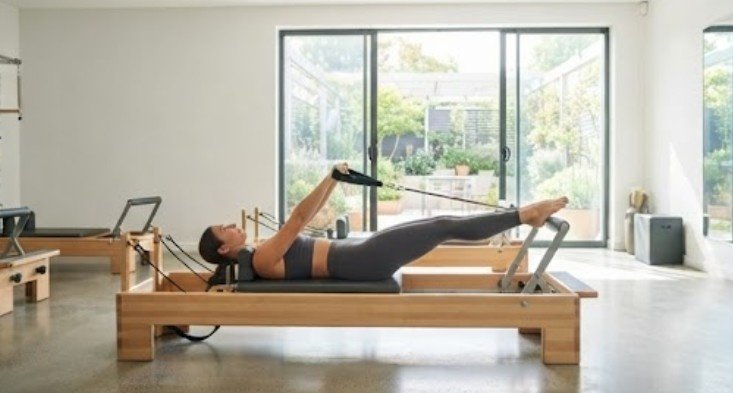
Regular training on the pilates reformer helps individuals develop heightened body awareness. Through deliberate movement and feedback from the equipment, users learn to recognise and correct poor postural habits such as excessive slouching or uneven weight distribution.
Improved posture reduces strain on the spine and surrounding musculature, alleviating discomfort and preventing chronic pain conditions. Over time, reformer exercises can retrain movement patterns, enabling sustained postural improvements beyond the exercise session.
Increased Mind-Body Connection
Pilates as a discipline emphasises mindful movement and breath control. The interactive feedback from the pilates reformer encourages individuals to focus on precision and intentionality, thereby enhancing the mind-body connection.
This heightened awareness can have benefits beyond physical fitness, including stress reduction and improved concentration. The intentional movements foster a sense of control and calm that positively impacts mental well-being.
Customisable Resistance Levels
The reformer’s spring mechanism provides a wide range of resistance levels which can be tailored to meet individual needs. Beginners can start with light resistance for assistance, while advanced users increase tension to create more challenge for strength development.
This adaptability makes the reformer suitable for diverse populations, from athletes seeking performance improvements to older adults aiming to maintain functional independence.
Facilitates Functional Movement Patterns
Functional movement refers to motions that replicate everyday activities such as bending, reaching, or lifting. The pilates reformer’s multi-plane exercises closely mimic these natural movement patterns, promoting strength and coordination that translate directly to daily life.
Enhancing functional fitness through reformer training supports injury prevention by improving overall body mechanics and movement efficiency.
Supports Weight Management and Muscle Tone
While Pilates on the reformer is not typically classified as high-intensity cardio, it contributes significantly to muscle toning and calorie expenditure. The strength and endurance developed help increase resting metabolic rate, indirectly supporting weight management goals.
Regular sessions result in firmer muscles and leaner physique, improving body composition without bulk.
Suitable for All Fitness Levels
The versatility in exercises and resistance levels ensures that the pilates reformer is suitable for a broad spectrum of users. From those new to exercise to professional athletes, the reformer can be adapted to individual capabilities and goals.
Its low-impact design makes it an especially attractive option for individuals with joint sensitivities or those undergoing rehabilitation.
Incorporation into Group and Private Training
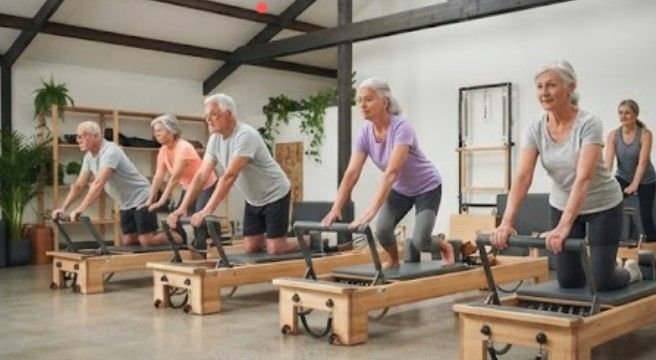
The pilates reformer can be effectively incorporated into both group classes and one-on-one training sessions. Group settings provide motivation and camaraderie, while private sessions allow for personalised programming and focused correction of technique.
Many fitness centres and studios offer reformer classes, providing accessible options for users seeking diverse experiences.
Enhancement of Athletic Performance
For athletes, reformer training enhances core stability, flexibility, and neuromuscular coordination. These attributes contribute to improved performance across various sports by optimising power, balance, and injury resilience.
Incorporating reformer workouts into athletic conditioning programmes can result in faster recovery and sustained peak performance.
Conclusion
The pilates reformer represents a versatile and effective tool for achieving numerous fitness benefits. Its ability to enhance core strength, flexibility, posture, and functional movement makes it valuable for both fitness enthusiasts and those undergoing rehabilitation.
Its adaptability to different fitness levels and goals ensures broad accessibility, allowing users to experience low-impact, targeted training tailored to their needs. As awareness of its benefits continues to grow, the reformer is poised to remain an integral component of contemporary fitness and recovery programmes.