
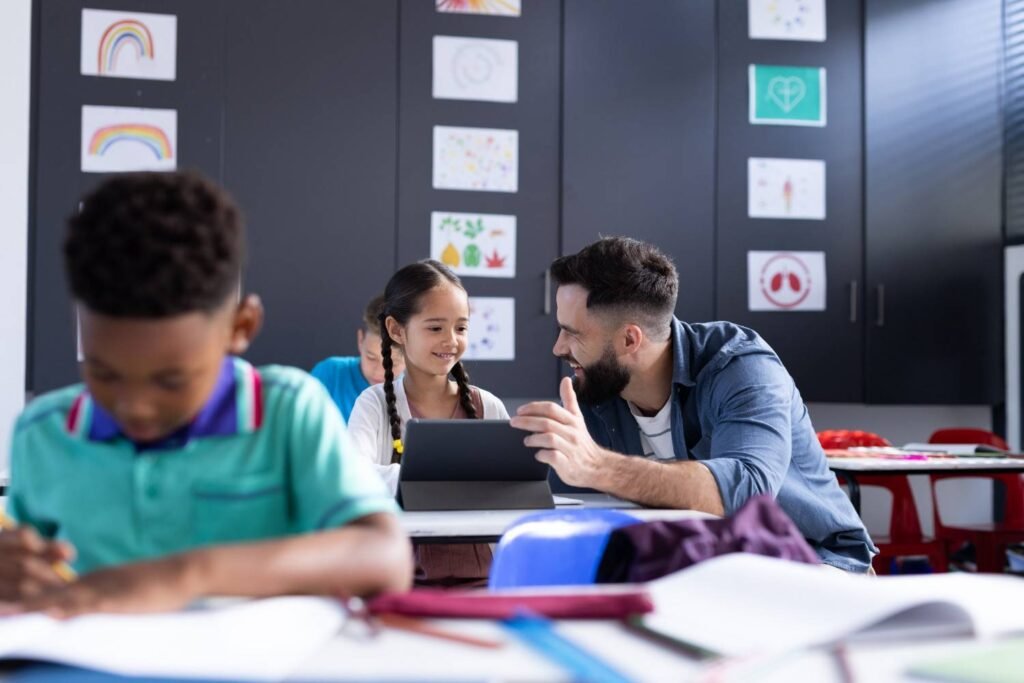
Every teacher knows that moment: the lesson is ready, the objective is clear, but the room feels flat. Some students stare at the clock, some wait for others to answer, and a few seem mentally somewhere else.
That is where how to improve classroom engagement becomes more than a teaching question; it becomes the difference between a class that simply hears information and a class that actually works with it. The right strategies can turn passive listening into discussion, movement, curiosity, and real participation.
What Is Classroom Engagement in Today’s Classroom?
Classroom engagement means students are actively involved in learning instead of passively sitting through instruction. It includes behavioral engagement, emotional engagement, and cognitive engagement. Behavioral engagement shows when students participate, follow routines, and complete tasks. Emotional engagement happens when students feel safe, connected, and respected. Cognitive engagement appears when students think deeply, solve problems, and apply ideas.
In many US schools, teachers are working with students who face distractions from phones, social media, learning gaps, stress, and packed schedules. That means student engagement strategies must be clear, flexible, and easy to use during real classroom instruction.
Why Student Engagement Matters for Better Learning
Engaged students are more likely to remember what they learn because they are doing something meaningful with the material. They discuss, question, write, move, explain, and reflect. These actions help lessons move from short-term attention to long-term understanding.
Strong classroom participation strategies can also improve behavior. When students know what to do and why it matters, they have less time to disengage. A well-engaged classroom feels more focused, more respectful, and more productive.
For teachers, engagement reduces the constant pressure to pull students back into the lesson. Instead of fighting for attention, you build routines that naturally invite participation.
How to Improve Classroom Engagement with Active Learning
One of the most effective ways to boost engagement is to use active learning strategies. Students should not spend the entire class period listening to direct instruction. The 10-minute rule is a useful reminder: after a short burst of teaching, give students something to do with the information.
That activity can be a quickwrite, a partner discussion, a problem-solving task, or a short reflection. This keeps students mentally active and helps teachers check understanding before moving ahead.
Curiosity hooks also work well at the start of a lesson. Begin with a puzzle, mystery, image, surprising fact, or controversial question related to the topic. A strong hook gives students a reason to care before the lesson fully begins.
Use Think-Pair-Share to Increase Student Participation
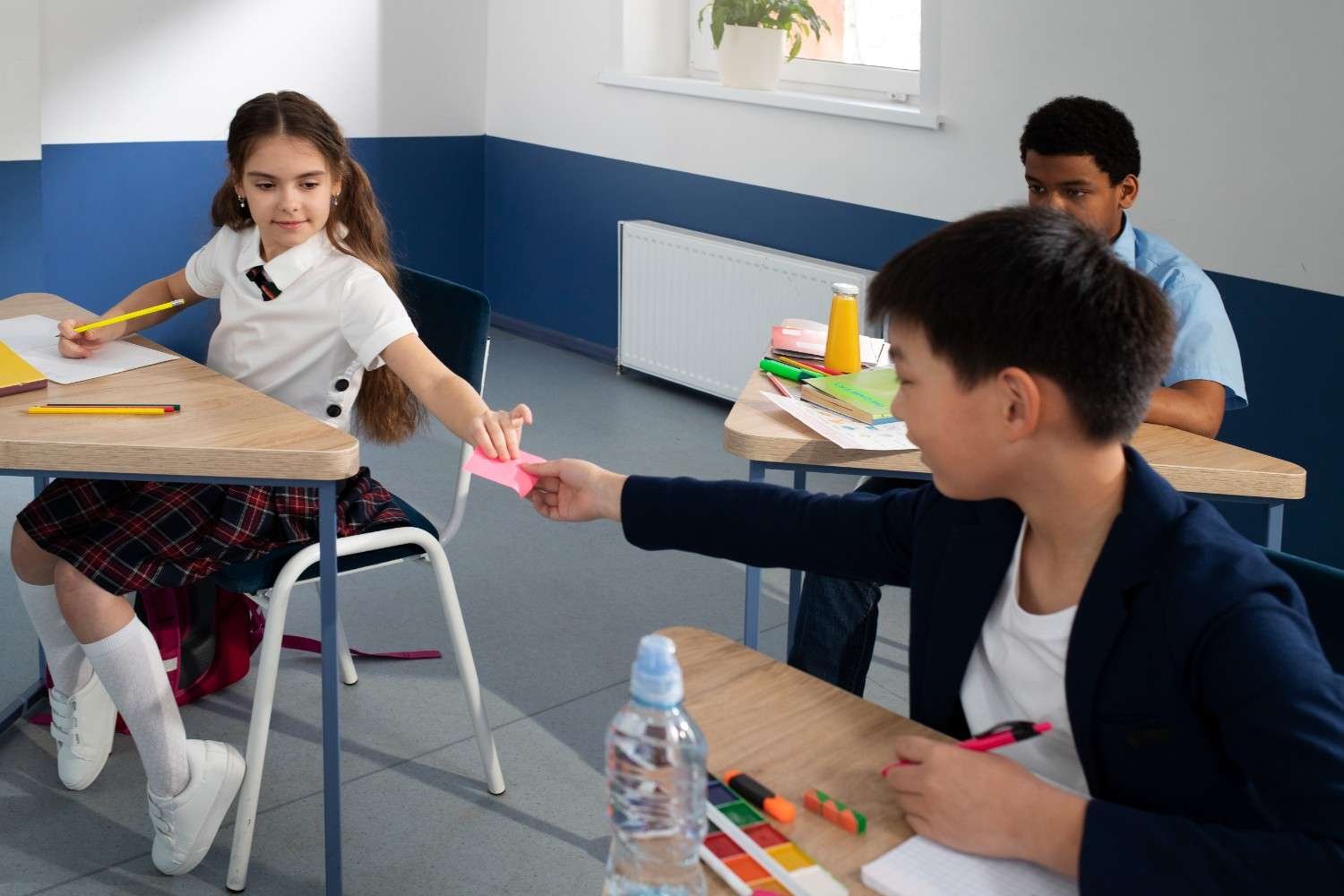
Think-pair-share remains one of the easiest interactive teaching methods because it gives every student time to prepare. First, ask a meaningful question. Then give students silent thinking time. After that, let them discuss with a partner before sharing with the class.
This works especially well for students who need time to organize their thoughts. It also prevents the same few students from answering every question. When students talk first with a peer, they often feel more confident speaking in front of the whole class.
Teachers can use think-pair-share in reading, science, social studies, math, and even test review. It is simple, quick, and effective.
Make Lessons Stick with Real-World Ties
Students engage more when they understand why a lesson matters. Real-world ties help students connect academic content to daily life, future careers, current events, and popular culture.
A math lesson can connect to budgeting, sports statistics, or shopping discounts. A science lesson can connect to health, weather, technology, or environmental issues. An English lesson can connect to social media, storytelling, job interviews, or public speaking.
When I plan engagement-based lessons, I always ask one question: where would students see this outside the classroom? That simple question can make the lesson more relevant and memorable.
Improve Classroom Discussions with Four Corners
Four Corners is a strong movement-based strategy for classroom discussion. The teacher gives a statement or question, and students move to a corner of the room based on their opinion or answer. For example, the corners may represent strongly agree, agree, disagree, and strongly disagree.
This strategy works because students physically show their thinking. It also gives teachers a quick visual snapshot of class understanding. After students move, they can discuss their choice with others in the same corner before sharing with the class.
Four Corners works well for opinion writing, debate preparation, reading response, social studies, science predictions, and classroom review.
Use Brain Breaks to Reset Student Attention

Students cannot focus deeply for an entire class period without a reset. Brain breaks help students recharge before attention drops too far. A brain break can be a 60-second stretch, a quick breathing activity, a stand-and-turn discussion, or a short movement challenge.
Brain breaks are especially useful in elementary and middle school classrooms, but older students benefit too. Movement can reduce restlessness and help students return to the lesson with better focus.
The key is to keep brain breaks short and purposeful. They should refresh their attention without taking over the lesson.
Make Group Work More Productive with Clear Roles
Group work can either increase engagement or create confusion. The difference is structure. When students do not have clear roles, one student may do all the work while others disappear.
Assigning group roles helps solve this problem. A timer keeps the group on pace. A scribe records ideas. A spokesperson shares the final response. A discussion leader keeps everyone involved. These roles make collaboration more balanced.
Choice boards can also improve group work and independent learning. Instead of requiring every student to show knowledge the same way, teachers can offer options such as writing a response, creating a visual, recording an explanation, solving a challenge, or designing a short presentation. This supports student-centered learning strategies and gives students more ownership.
Use Total Participation Techniques for Every Student
Total participation techniques help teachers hear from the whole class, not just the fastest or loudest students. Mini whiteboards are one of the best examples. Ask a question, give students time to write, and have everyone hold up an answer at once. This gives instant feedback and keeps every student accountable.
Choral response also works well for vocabulary, key terms, formulas, and review. When the whole class responds together, students get repeated practice without the pressure of answering alone.
Digital polls are another powerful option. Live anonymous voting tools allow students to respond honestly, and teachers can instantly see whether the class understands the lesson. These tools are especially useful in middle school, high school, and college classrooms.
How to Engage Quiet Students Without Pressure
Quiet students are not always disengaged. Many are thinking carefully but need safer ways to participate. Calling on them unexpectedly may increase anxiety instead of engagement.
Written responses, partner discussions, mini whiteboards, exit tickets, and digital polls give quiet students a voice without forcing them into uncomfortable situations. Teachers can also let students rehearse an idea with a partner before sharing it with the class.
The goal is not to make every student loud. The goal is to create multiple ways for every student to participate meaningfully.
Build Culture with Greeting Routines and Connection
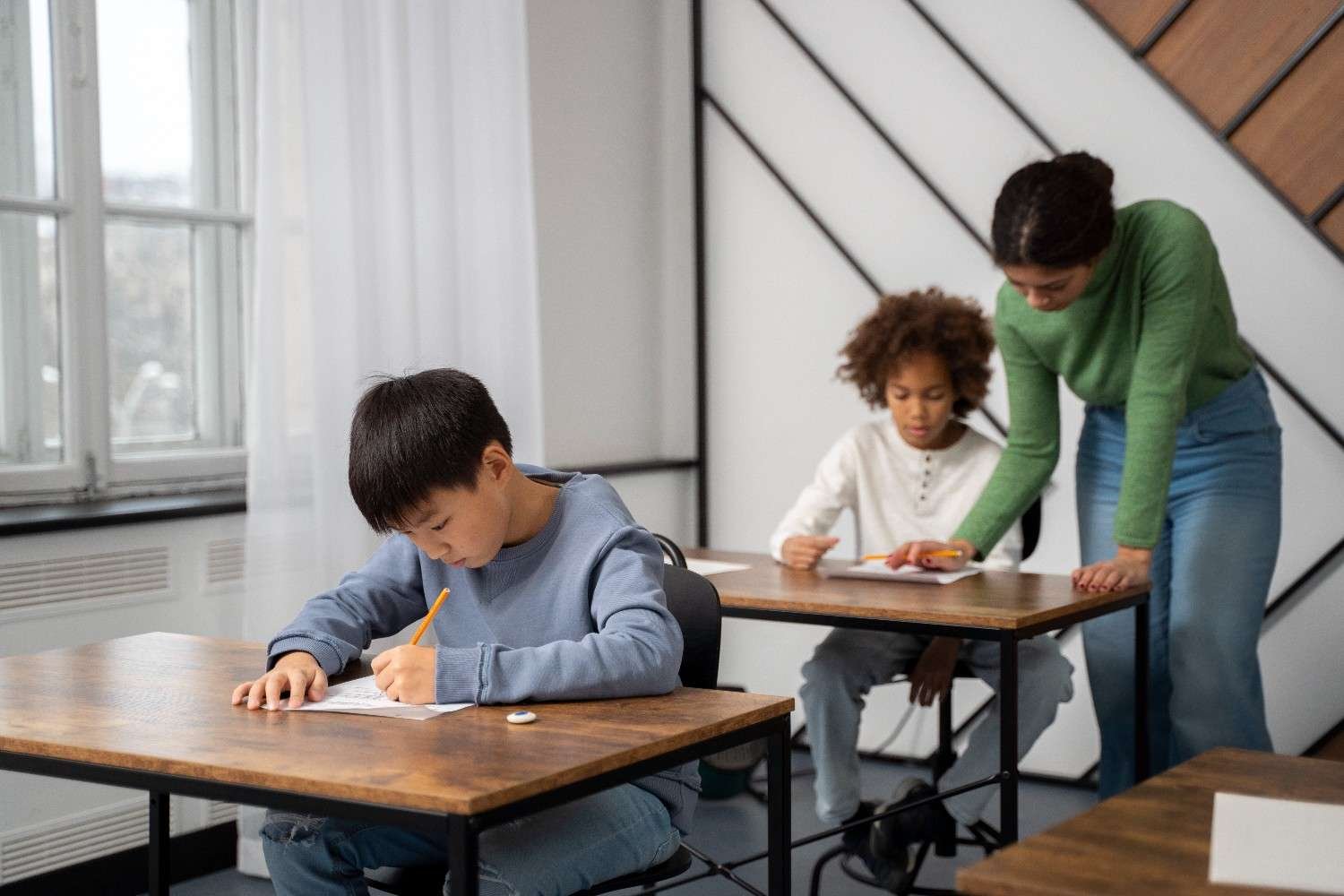
A strong classroom culture makes engagement easier. Greeting students at the door may seem simple, but it can set a positive tone before instruction begins. A quick hello, name recognition, or friendly check-in can help students feel noticed.
Students participate more when they feel safe and respected. Teachers can support this by setting clear discussion norms, encouraging respectful disagreement, and praising effort instead of only correct answers.
Progress tracking also builds connection and motivation. When students visually track daily learning goals, they can see their own growth. This may be done through learning charts, reflection logs, goal sheets, or simple self-rating scales.
Use Technology Without Letting It Distract
Technology can support engagement when it has a clear purpose. Digital polls, online quizzes, shared documents, interactive slides, and digital exit tickets can make participation faster and more inclusive.
However, technology should not be used just because it looks modern. Before using a tool, teachers should ask whether it helps students think, respond, create, collaborate, or reflect. If it does not support the learning goal, it may become a distraction.
In US classrooms where students already spend a lot of time on screens, balanced technology use matters. The best approach combines digital tools with discussion, writing, movement, and hands-on learning.
Common Mistakes That Lower Classroom Engagement
One common mistake is lecturing for too long without giving students time to process. Another is asking only yes-or-no questions that end discussion quickly. Students need open-ended questions that invite explanation, opinion, and reasoning.
Unstructured group work can also reduce engagement. Without roles or clear instructions, students may become confused or passive. This is especially important in lessons focused on how to improve reading skills in children, where students need guided discussion, clear tasks, and enough time to understand what they read.
Overusing technology can create the same issue when tools distract from the actual learning. Another mistake is assuming a few talkative students represent the whole class. True engagement means every student has a way to respond, even if that response is written, digital, verbal, or visual.
Frequently Asked Questions (FAQs)
1. What are the best classroom engagement strategies for teachers?
The best classroom engagement strategies include active learning, think-pair-share, brain breaks, mini whiteboards, digital polls, group roles, choice boards, real-world examples, and greeting routines. These methods help more students participate and stay connected to the lesson.
2. How can teachers increase student participation in class?
Teachers can increase student participation by using open-ended questions, silent thinking time, partner discussions, mini whiteboards, choral response, and digital polls. These strategies give students more than one way to respond.
3. How do you engage quiet students in classroom discussions?
Quiet students often engage better when they have time to prepare. Written responses, partner talks, exit tickets, mini whiteboards, and anonymous polls allow them to participate without the pressure of speaking unexpectedly.
4. Why is classroom engagement important?
Classroom engagement is important because students learn more when they actively participate. Engagement improves attention, motivation, memory, classroom behavior, and student confidence.
5. What causes low classroom engagement?
Low classroom engagement often happens when lessons are too passive, instructions are unclear, questions are too simple, group work lacks structure, or students do not feel connected to the classroom culture.
Final Thoughts
Learning how to improve classroom engagement starts with making students active participants in their own learning. The best classrooms use a mix of active learning, peer collaboration, total participation techniques, movement, real-world ties, and strong teacher-student relationships.
I believe the most effective approach is to start small. Add a curiosity hook tomorrow. Try mini whiteboards next week. Use think-pair-share before your next discussion. Over time, these small changes can create a classroom where students feel more focused, confident, and ready to learn.
When teachers understand how to improve classroom engagement, they can build lessons that are not only more interactive but also more meaningful, inclusive, and successful.