The best movie villains of all time do more than scare us. They make us quote them, study them, debate them, and sometimes understand them more than we want to admit.
I always judge a villain by one simple test: would the movie lose its pulse without them? Darth Vader, Hannibal Lecter, the Joker, Anton Chigurh, Nurse Ratched, and Hans Gruber pass that test easily. They do not just oppose the hero. They reshape the whole story around their presence.
Why These Villains Still Own the Screen
A great villain needs more than cruelty. The strongest screen antagonists have a clear worldview, a memorable design, and a way of making the audience nervous before they even act.
That is why the American Film Institute’s classic villain rankings still matter. AFI placed Hannibal Lecter, Norman Bates, Darth Vader, the Wicked Witch of the West, and Nurse Ratched near the top of film history. That mix tells us something useful. Great villainy is not one style. It can be cosmic, quiet, magical, institutional, or painfully human.
My own ranking uses four signals: fear, originality, performance, and cultural afterlife. A villain earns legendary status when people remember the feeling of watching them years later through iconic movie scenes that became legendary.
The Sci-Fi and Fantasy Icons Who Changed Blockbusters
Sci-fi and fantasy villains often work on a huge scale. They command empires, bend magic, or threaten entire worlds. Still, the best ones remain personal.
Darth Vader: The Blueprint for Cinematic Evil
Darth Vader remains the ultimate movie villain because everything about him works at once. His black armor, controlled breathing, deep voice, and cold body language create instant fear.
What makes him last is not just power. It is tragedy. Vader begins as a symbol of unstoppable evil, then becomes a broken man shaped by fear, loss, and manipulation. That arc gives him weight most villains never reach.
He is not only a Star Wars icon. He is the screen image people imagine when they hear the word villain.
Thanos: The Villain Who Made the Audience Argue
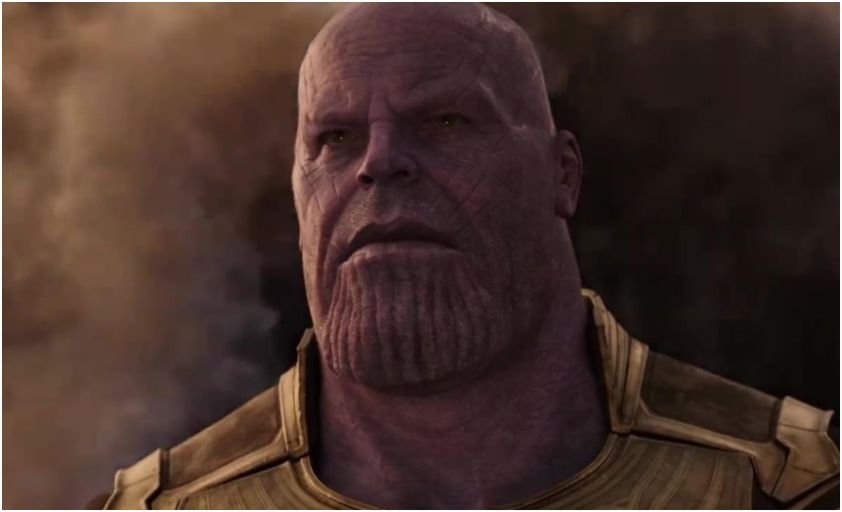
Thanos became one of modern cinema’s most debated supervillains because his evil comes wrapped in logic. He believes wiping out half of life will solve universal scarcity.
That idea is monstrous, but the film lets him speak with calm conviction. It gives viewers something uncomfortable to wrestle with. He is wrong, yet he is not random. That makes him more compelling than a simple destroyer.
His Infinity Gauntlet also gave blockbuster audiences a rare thing: a villain whose plan actually worked, at least for a while.
Lord Voldemort, Sauron, and the Wicked Witch
Lord Voldemort represents fear of death, obsession with purity, and the corruption of power. He works because his evil grows from insecurity. He wants immortality because he cannot accept human limits.
Sauron is different. He is less a person than a force. His all-seeing presence turns Middle-earth into a moral battlefield. Every choice feels heavier because his influence spreads without needing many speeches.
The Wicked Witch of the West deserves her place because she helped define fantasy villainy on screen. The green skin, pointed hat, cackle, and flying monkeys became visual shorthand for wickedness. Many later fantasy villains borrowed from that image.
Psychological Movie Villains Who Get Under Your Skin
The scariest villains do not always need armies. Some only need a room, a sentence, or a stare.
Hannibal Lecter: Calm, Brilliant, and Terrifying
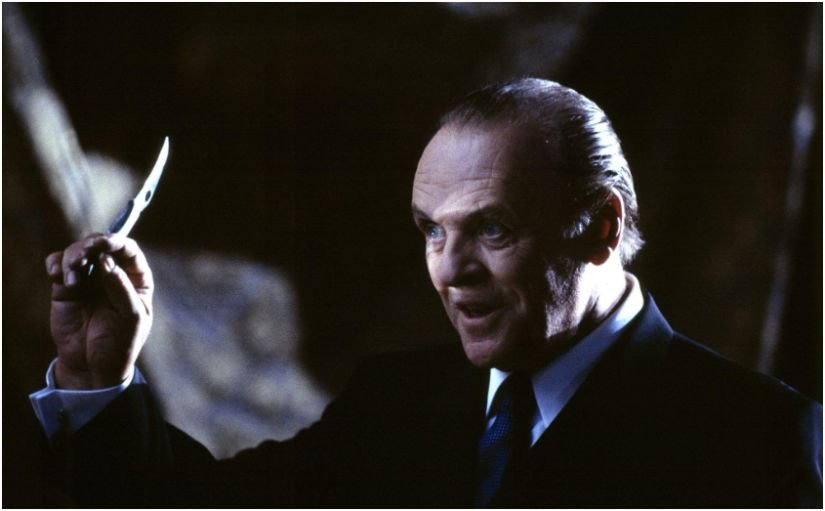
Hannibal Lecter is terrifying because he stays controlled. He does not rant. He studies people. He turns conversation into surgery.
Anthony Hopkins gives Lecter charm, intelligence, and menace in the same breath. That balance makes him one of the best movie villains of all time because he feels dangerous even behind glass.
What makes Lecter so effective is his patience. He knows the mind is often easier to break than the body.
The Joker: Chaos With a Smile
The Joker in The Dark Knight changed modern villain performances. Heath Ledger’s Oscar-winning role gave superhero cinema a villain who felt unpredictable, theatrical, and deeply unsettling.
He does not want normal power. He wants proof that people can be corrupted. That goal makes him a psychological threat, not just a criminal one.
The Joker works because he attacks moral order. He turns choices into traps and makes good people question themselves.
Norman Bates and Nurse Ratched
Norman Bates frightens because he looks harmless. Psycho made the monster feel ordinary, polite, and awkward. That twist made horror more intimate. Evil was no longer only in castles or shadows. It could run a roadside motel.
Nurse Ratched is a different kind of nightmare. She uses rules, shame, silence, and authority. She proves that cruelty can wear a clean uniform and speak softly.
That is why she still feels current. She represents systems that crush people while claiming to help them.
Grounded Villains Who Feel Too Real
Grounded villains scare me most because they do not need magic, masks, or alien weapons. Their evil feels possible.
Anton Chigurh: Fate With a Bad Haircut
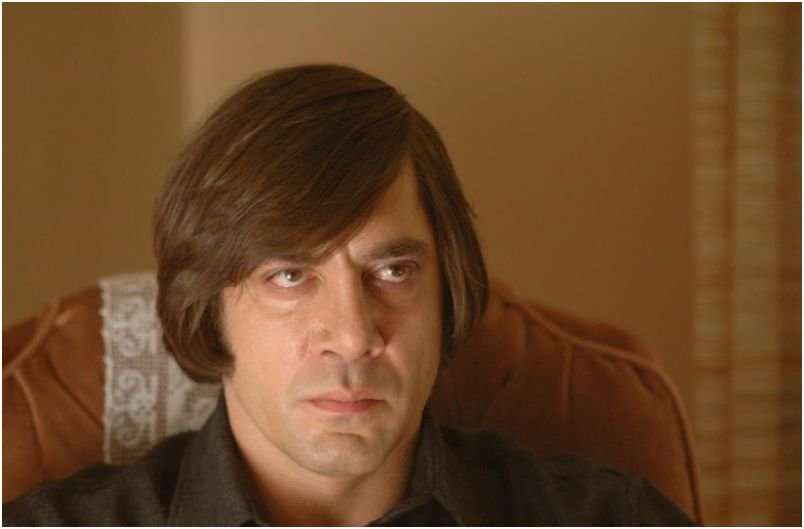
Anton Chigurh in No Country for Old Men is one of cinema’s coldest killers. His coin toss scenes work because they remove emotion from murder. He acts as if violence is not personal. It is procedure.
That makes him feel inhuman, even though he exists in a realistic world. He is not loud. He is not stylish in a glamorous way. He is simply inevitable.
His calmness is the horror.
Annie Wilkes, Amy Dunne, and Tommy DeVito
Annie Wilkes in Misery turns fandom into captivity. She begins as a rescuer, then becomes a prison guard. Her terror comes from emotional whiplash. One moment she is sweet. The next, she is brutal.
Amy Dunne in Gone Girl weaponizes media, marriage, and public sympathy. She is frightening because her plan understands how people judge stories before facts.
Tommy DeVito in Goodfellas is terrifying because no one knows where the joke ends. His violence arrives faster than reason. That unpredictability makes every scene with him tense.
Ruthless Masterminds With Style and Strategy
Some villains dominate through planning, charm, and control. They make evil look organized.
Hans Gruber and Colonel Hans Landa
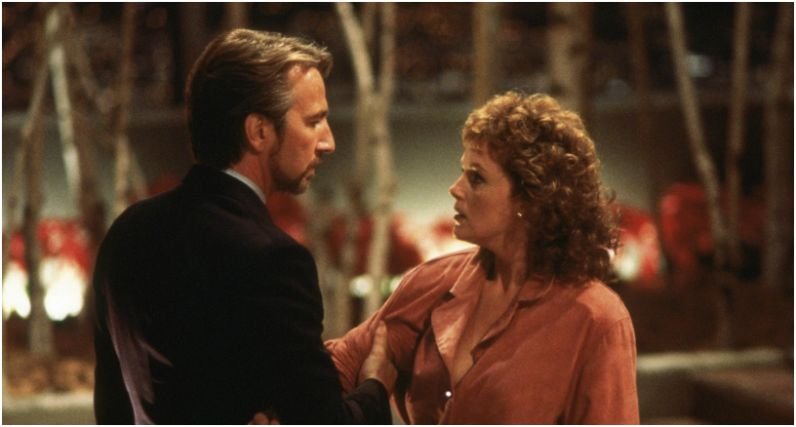
Hans Gruber in Die Hard redefined the action villain. He is not a shouting brute. He is educated, funny, stylish, and practical. He treats a hostage crisis like a business deal.
That polished surface makes him more entertaining and more dangerous. He knows how to adjust when plans change.
Colonel Hans Landa in Inglourious Basterds is terrifying for similar reasons. He is polite, multilingual, and cheerful. His charm does not soften his cruelty. It sharpens it.
Both villains prove that manners can be a weapon.
Louis Bloom and the Horror of Ambition
Louis Bloom in Nightcrawler is one of the sharpest modern villains because he reflects a real fear: success without empathy.
He studies business language, media demand, and human weakness. Then he uses all of it to climb. He does not need a secret lair. He needs a camera, a police scanner, and no conscience.
That makes him a brutal villain for the attention economy.
My Villain Fear Test: What Makes a Villain Great?
After rewatching these films, I use a simple test. A villain becomes legendary when they score high in four areas.
First, they must change the hero. Darth Vader changes Luke. Lecter changes Clarice. Nurse Ratched changes McMurphy’s fate.
Second, they need a signature. It can be Vader’s breathing, Chigurh’s coin, the Joker’s scars, or Gruber’s smooth voice.
Third, they need a worldview. The villain must believe something, even if that belief is twisted.
Fourth, they need rewatch power. The greatest villains get better when you know what they will do next.
By that test, the best movie villains of all time are not always the loudest. They are the ones who make the whole film orbit around them.
FAQs About the Best Movie Villains
1. Who is considered the greatest movie villain ever?
Hannibal Lecter is often considered the greatest, especially because AFI ranked him number one among screen villains.
2. Why is Darth Vader one of the best movie villains of all time?
Darth Vader combines visual design, power, voice, tragedy, and redemption, making him unforgettable across generations.
3. Who is the scariest grounded movie villain?
Anton Chigurh is one of the scariest because his calm, emotionless violence feels realistic and unstoppable.
4. What makes a movie villain iconic?
A villain becomes iconic through motive, performance, visual identity, memorable dialogue, and lasting cultural impact.
Final Scene: The Villain Always Gets the Last Look
I love heroes, but villains usually give movies their bite. A great villain adds danger, style, pressure, and meaning. Without them, many classic films would feel strangely empty.
My pick for the top spot is Darth Vader for legacy, Hannibal Lecter for psychological control, and the Joker for pure screen energy. But the real winner depends on what scares you most.
Next time you rewatch a classic, ignore the hero for one scene. Watch what the villain does with silence, posture, and timing. That is where cinema’s darkest magic usually hides.