
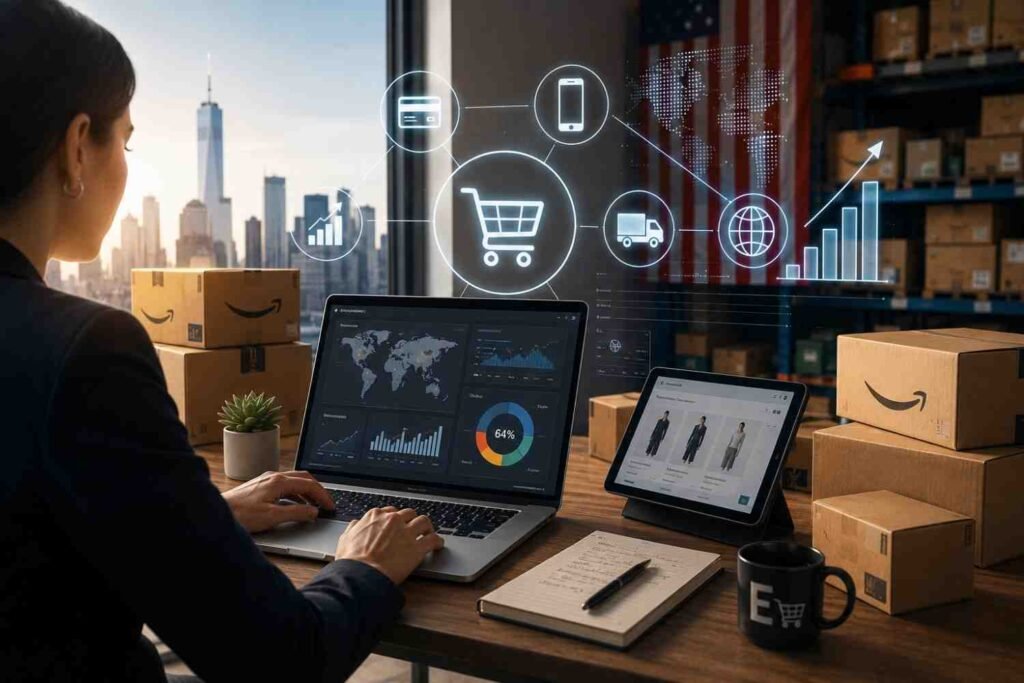
Online retail has never stood still for long. Over the past decade, businesses have adapted to mobile shopping, faster shipping expectations, social media marketing, and changing customer behaviors. What feels different now is the pace of change. New technologies are arriving faster than most retailers can comfortably implement them, while consumers expect smoother and more personalized experiences every year.
Many businesses still approach ecommerce as a digital storefront where customers browse, add products to a cart, and complete a purchase. That model still works, but it is no longer enough. The future of online retail is moving toward intelligent, connected ecosystems that predict customer needs, simplify buying decisions, and create seamless experiences across multiple channels.
Why The Future Of Online Retail Looks Different
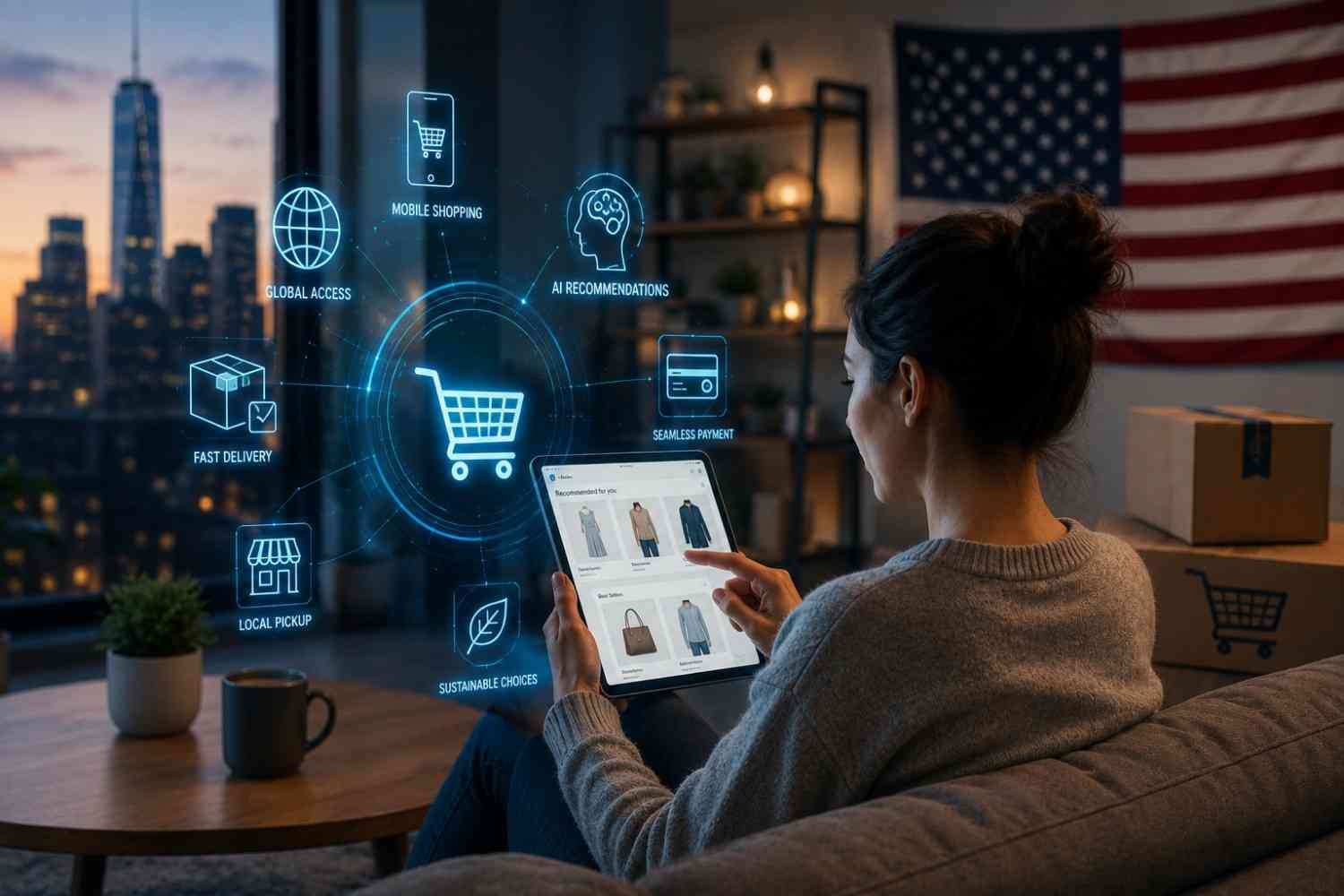
The future of online retail is being shaped by three major forces: artificial intelligence, evolving consumer expectations, and new ways of discovering products. Customers want convenience, speed, personalization, and trust. Businesses that fail to meet those expectations risk losing customers to competitors that can.
At the same time, retail technology is making it easier for companies to understand customer behavior, forecast demand, and deliver highly personalized shopping experiences. The result is a retail environment that is becoming more predictive rather than reactive.
Artificial Intelligence Is Becoming A Core Retail Function
For years, AI in retail was associated mainly with chatbots and customer support tools. Today, it is influencing nearly every aspect of ecommerce growth.
Retailers are increasingly using AI-powered systems to analyze shopping patterns, predict future demand, and optimize inventory management. Instead of relying on historical sales reports alone, businesses can use predictive analytics to make smarter purchasing decisions and reduce costly overstock situations.
Another major shift is the rise of agentic AI commerce. In the near future, consumers may rely on personal AI assistants to compare products, evaluate reviews, and even complete purchases on their behalf. This means businesses must ensure product information is accurate, structured, and easily accessible to AI-driven shopping tools.
Dynamic merchandising is also changing the customer experience. Product recommendations, homepage layouts, and pricing strategies can now be adjusted in real time based on individual browsing behavior and preferences.
Search Is Becoming More Visual And Conversational

Search behavior is evolving beyond traditional keyword-based queries. Consumers increasingly expect faster and more intuitive ways to find products.
Visual search allows shoppers to upload images or screenshots and instantly discover similar products online. This trend is particularly powerful in categories such as fashion, home décor, and consumer electronics, where appearance heavily influences buying decisions.
Voice commerce is also gaining momentum. Customers are using smart devices to reorder products and search for recommendations through natural conversations rather than typed keywords. As a result, businesses need to focus on conversational SEO and structured product data.
Some important areas to prioritize include:
- Image optimization for visual search
- Rich product descriptions
- Structured product data
- Mobile-friendly shopping experiences
- Conversational search optimization
Businesses that improve these areas will be better positioned to capture future online shopping trends.
Social Commerce Is Becoming A Sales Channel
Social media platforms have evolved far beyond marketing tools. They are becoming complete shopping destinations where consumers can discover, evaluate, and purchase products without leaving the platform.
Features such as in-app checkout, shoppable posts, and creator storefronts are reducing friction throughout the customer journey. Livestream shopping events are also attracting attention by combining entertainment with real-time purchasing opportunities.
Customers often trust recommendations from creators and influencers more than traditional advertising. This shift has made creator partnerships an important part of modern online retail strategy.
Social commerce also encourages impulse purchases because the buying process happens immediately after product discovery. Businesses that successfully integrate social commerce into their ecommerce operations can create stronger customer engagement and increase conversion rates.
Supply Chains Are Becoming A Competitive Advantage
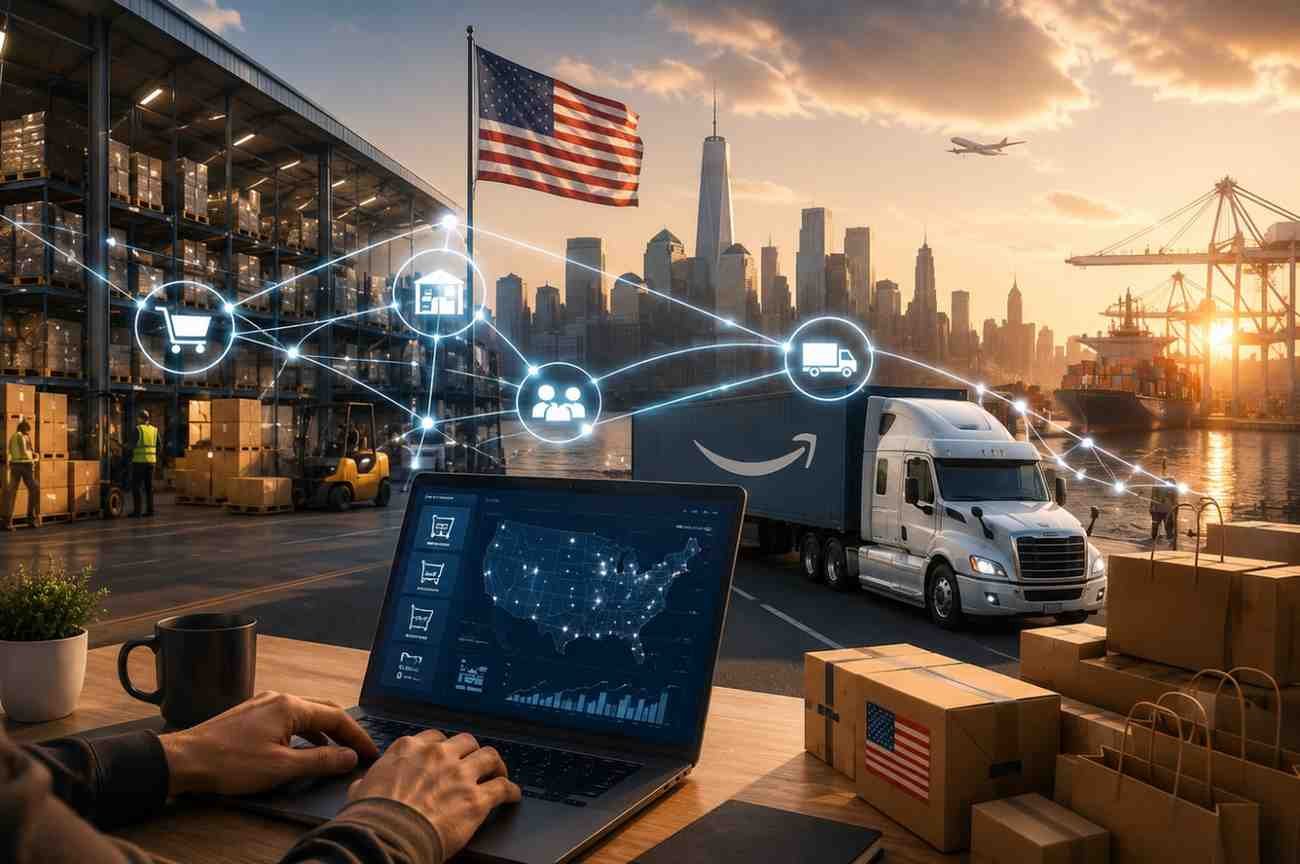
Customers rarely think about supply chains until something goes wrong. However, supply chain performance directly affects delivery speed, product availability, and customer satisfaction.
Retailers are investing heavily in micro-fulfillment centers that position inventory closer to customers. This approach helps reduce delivery times while lowering transportation costs.
Transparency is becoming equally important. Consumers increasingly want to know where products come from, how they are manufactured, and whether brands follow sustainable practices.
Several emerging priorities are reshaping retail innovation:
- Localized fulfillment networks
- Sustainable packaging initiatives
- Carbon-conscious shipping options
- Real-time inventory visibility
- Product authenticity verification
Businesses that build resilient and transparent supply chains will be better equipped to handle disruptions while strengthening customer trust.
The Checkout Experience Must Be Frictionless
Even the most effective marketing campaigns can fail if the checkout experience creates unnecessary obstacles.
Customers expect fast, flexible, and secure payment options. Digital wallets, Buy Now Pay Later solutions, and one-click checkout experiences are becoming standard expectations rather than premium features.
The post-purchase experience is equally important. Easy returns, proactive shipping updates, and responsive customer support often determine whether a customer becomes a repeat buyer.
As companies adopt more digital systems, internal efficiency becomes increasingly important. Many organizations are combining ecommerce automation with remote productivity strategies to improve collaboration between distributed teams managing marketing, inventory, customer service, and fulfillment operations.
Omnichannel Retail Will Define Customer Experience
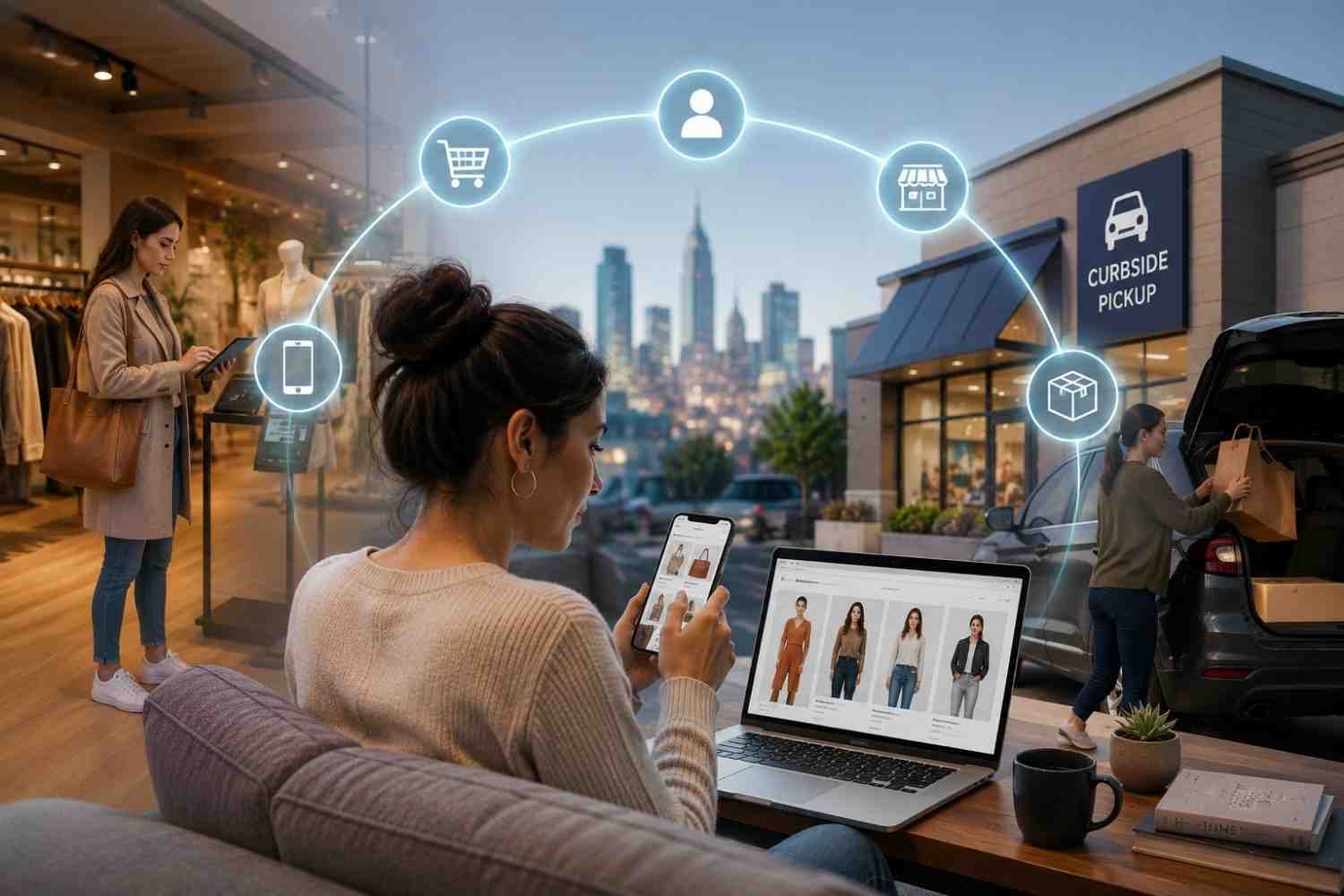
The distinction between online and offline shopping continues to fade. Customers expect a consistent experience regardless of how they interact with a brand.
A shopper might discover a product on social media, research it through a mobile device, check inventory availability locally, and complete the purchase online. Every step must feel connected.
This shift toward omnichannel retail requires businesses to synchronize inventory, customer data, and purchasing experiences across all touchpoints. Retailers that successfully unify these systems can deliver better customer experiences and build stronger loyalty.
FAQs: What Businesses Need To Know About The Future Of Online Retail
1. What is the future of online retail?
The future of online retail focuses on AI-driven personalization, social commerce, visual search, faster fulfillment, and seamless omnichannel experiences that make shopping more convenient and tailored to individual customers.
2. How is AI changing ecommerce?
AI helps retailers predict demand, personalize product recommendations, optimize pricing, improve inventory management, and automate customer interactions, leading to more efficient operations and better customer experiences.
3. Why is social commerce important for retailers?
Social commerce allows customers to discover and purchase products directly within social platforms, reducing buying friction and creating new opportunities for brands to reach engaged audiences.
4. What should businesses prioritize to stay competitive in online retail?
Businesses should focus on customer experience, AI adoption, omnichannel integration, flexible payment options, supply chain resilience, and search optimization for voice and visual discovery.
Final Thoughts
The future of online retail will belong to businesses that think beyond transactions and focus on creating connected customer experiences. Technology will continue to transform how people discover products, make purchasing decisions, and interact with brands. However, success will not come from adopting every new trend. It will come from identifying the innovations that genuinely improve customer satisfaction and operational efficiency. Retailers that combine personalization, convenience, transparency, and trust will be best positioned for long-term growth.
The landscape will continue to evolve, but businesses that remain adaptable and customer-focused will be ready for whatever comes next.