You don’t really feel the impact of a car loan when you sign the papers. You feel it every month after.
In 2026, the average car loan interest rate is quietly shaping what millions of Americans will pay for their vehicles—often without realizing how much it truly adds up. A difference of just a few percentage points can mean thousands of dollars over five or six years. Yet most buyers focus only on the monthly payment, not the APR driving it.
Right now, new car loans are averaging around 6.5% to 7.0%, while used car financing often lands between 10.5% and 11.5%. If your credit score falls into subprime territory, those numbers can climb far higher. That’s not just a statistic—it’s a financial reality that affects your long-term budget.
The truth is, the average car loan interest rate is only a benchmark. What you actually qualify for depends on your credit tier, loan term, lender type, and even Federal Reserve policy. If you understand how these factors work together, you can avoid overpaying—and possibly save thousands.
Let’s dig into what’s really happening in the U.S. auto loan market in 2026 and how you can finance smarter.
What Is the Average Car Loan Interest Rate in February 2026?
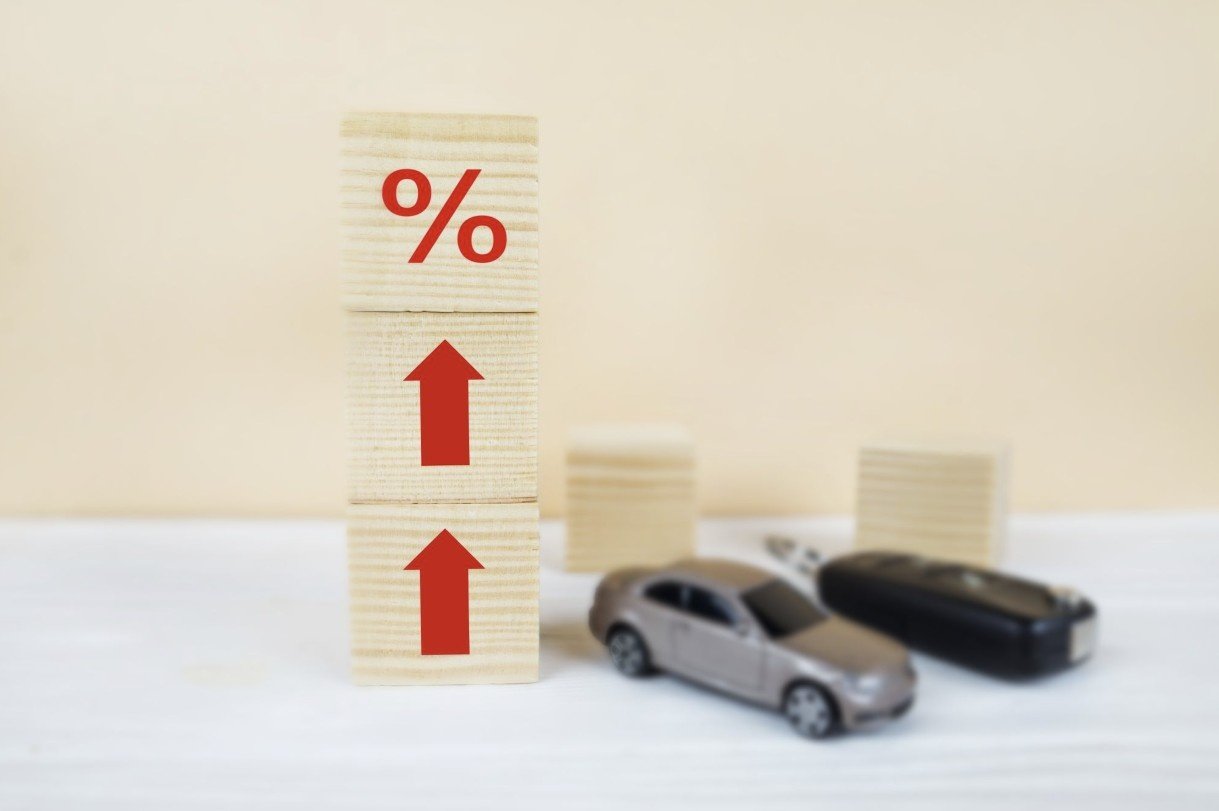
As of early 2026, national averages look like this:
- New cars: 6.5%–7.0%
- Used cars: 10.5%–11.5%
These figures reflect current U.S. lending standards and align with data published by major financial outlets.
However, averages alone do not tell the full story. Lenders price loans based primarily on credit score tiers.
How Does Your Credit Score Impact Auto Loan APR in 2026?
Below is the most recent breakdown of auto loan APR by credit tier in the U.S.
Average Auto Loan Rates by Credit Score (February 2026)
| Credit Score Range | New Car APR | Used Car APR |
| 781–850 (Super Prime) | 4.88% | 7.43% |
| 661–780 (Prime) | 6.51% | 9.65% |
| 601–660 (Near Prime) | 9.77% | 14.11% |
| 501–600 (Subprime) | 13.34% | 19.00% |
| 300–500 (Deep Subprime) | 15.85% | 21.60% |
These numbers clearly show how dramatically rates rise as credit risk increases. Even moving from Prime to Near Prime can add several percentage points to your APR (Annual Percentage rate).
I’ve personally seen borrowers save over $3,000 simply by improving their credit score before applying.
Why Are Used Car Interest Rates So Much Higher?
Used vehicles carry more depreciation risk for lenders. They also lack manufacturer promotional financing incentives.
As a result:
- Used auto loan APR is typically 3–5 percentage points higher.
- Subprime used car loans can exceed 20%.
- Lenders often shorten terms on older vehicles.
If you’re comparing new vs used, calculate total interest carefully. A slightly more expensive new vehicle with a lower APR may cost less long term.
How Do Federal Reserve Rates Affect Auto Loan Interest?
Auto loan pricing closely follows the Federal Reserve’s federal funds target rate. As of early 2026, the Fed target sits between 3.50% and 3.75%.
When the Fed raises rates, lenders increase borrowing costs. When the Fed cuts rates, auto loan APR may gradually decline.
However, lenders also factor in:
- Inflation
- Vehicle supply
- Consumer demand
- Credit risk levels
That’s why the average car loan interest rate does not move instantly with Fed announcements.
Does Loan Term Change Your Interest Rate?
Yes, and this is where many buyers make costly mistakes.
- 36–48 month loans usually offer lower APR.
- 60 months is common and moderately priced.
- 72–84 months typically carry higher rates.
Longer terms lower monthly payments but increase total interest paid. I always recommend calculating both payment and total interest before choosing a term.
How Much Does APR Really Cost You?
Let’s use a practical example:
Loan amount: $30,000
Term: 60 months
At 6% APR → Approx. $4,800 in total interest
At 10% APR → Approx. $8,200 in total interest
That’s over a $3,000 difference based purely on rate.
Understanding the average car loan interest rate helps you benchmark offers—but beating the average should be your real goal.
Where Can You Get the Best Auto Loan Rates in the U.S.?
Your lender choice matters.
Credit Unions
Often offer lower APR than large commercial banks. Navy Federal Credit Union frequently ranks competitively for military members.
Traditional Banks
Institutions like Bank of America offer convenient online pre-approval tools.
Dealership Financing
Convenient, but not always cheapest. Always compare against outside pre-approval offers.
I never walk into a dealership without pre-approval. It strengthens negotiating power and prevents unnecessary markup.
Should You Use an Auto Loan Calculator Before Applying?
Absolutely.
Using an auto loan calculator helps you:
- Estimate monthly payment
- Compare loan terms
- Evaluate refinancing options
- Understand total interest impact
Many major lenders provide free online calculators. Running different APR scenarios takes just minutes and can prevent years of regret.
When Should You Refinance Your Car Loan?
Refinancing makes sense if:
- Your credit score improved
- Market rates dropped
- Your current APR exceeds market averages
- You want to lower your monthly payment
However, refinancing works best when you still have several years remaining on the loan.
What Is Considered a Good Auto Loan APR in 2026?
In today’s U.S. market:
- 720+ credit score → Below 6% is strong
- 660–719 → 6%–8% is competitive
- 620–659 → Below 11% is reasonable
- Below 620 → Anything under 15% may be competitive
If your offer falls well above these ranges, it’s time to compare lenders.
Frequently Asked Questions (FAQs)
1. What is the average auto loan APR for a 700 credit score?
With a 700 score, you typically fall in the Prime tier and can expect rates around 6%–8% for new vehicles.
2. Why are used car rates above 10%?
Used vehicles present more lender risk, and depreciation uncertainty increases pricing.
3. Will auto loan rates drop in late 2026?
That depends on Federal Reserve policy, inflation trends, and overall economic conditions.
4. How many lenders should I compare?
At least three. Rate shopping within 14–30 days counts as one credit inquiry under most scoring models.
Conclusion:
The average car loan interest rate may look like just another number, but it can quietly decide how much your vehicle truly costs. In 2026, smart buyers cannot afford to focus only on monthly payments. Your credit score, loan term, lender choice, and timing all matter.
Before signing anything, compare offers, use a loan calculator, and consider improving your credit if your rate feels too high. While options like no credit check or personal loans may sound tempting, understanding the numbers before borrowing is what helps you stay in control.
A car should move your life forward, not drain your budget for years. When you understand the numbers before you buy, you stay in control of the deal.